Gift etiquette in Djibouti: halal gifts, greetings and Eid
Djibouti is a Muslim-majority country where respect for elders and relationships come first. Here is how to choose a halal gift, greet people correctly and navigate Eid and business.
We independently research every pick. If you buy through our links we may earn a small commission, at no extra cost to you. Affiliate disclosure.
Quick answer
Most Djiboutians are Muslim, so choose halal, alcohol-free gifts such as sweets, dates, pastries or a specialty from your home country. Treat elders with particular respect, let women decide whether to shake hands, and give with your right hand. Eid al-Fitr and Eid al-Adha are the main times for family visits and generosity. In business, relationships matter more than gifts.
- Safe host gift Sweets, dates, pastries
- Typical budget $15 – $40
- Languages French and Arabic (official); Somali and Afar widely spoken
- Work week Sunday to Thursday
Djibouti's two largest communities are the Somali-speaking Issa and the Afar, alongside Arab and other minorities. Around 94 to 95 percent of the population is Muslim, and daily life follows the Islamic calendar of prayers, fasts and holidays. Sufi orders are prominent, and sheikhs often lead family ceremonies. Small Christian communities also live in the country, and Christmas is a public holiday.
What to give
There's little formal gift protocol in Djibouti, so think in terms of general Muslim hospitality: something to share with the household, clearly halal and modest in value.
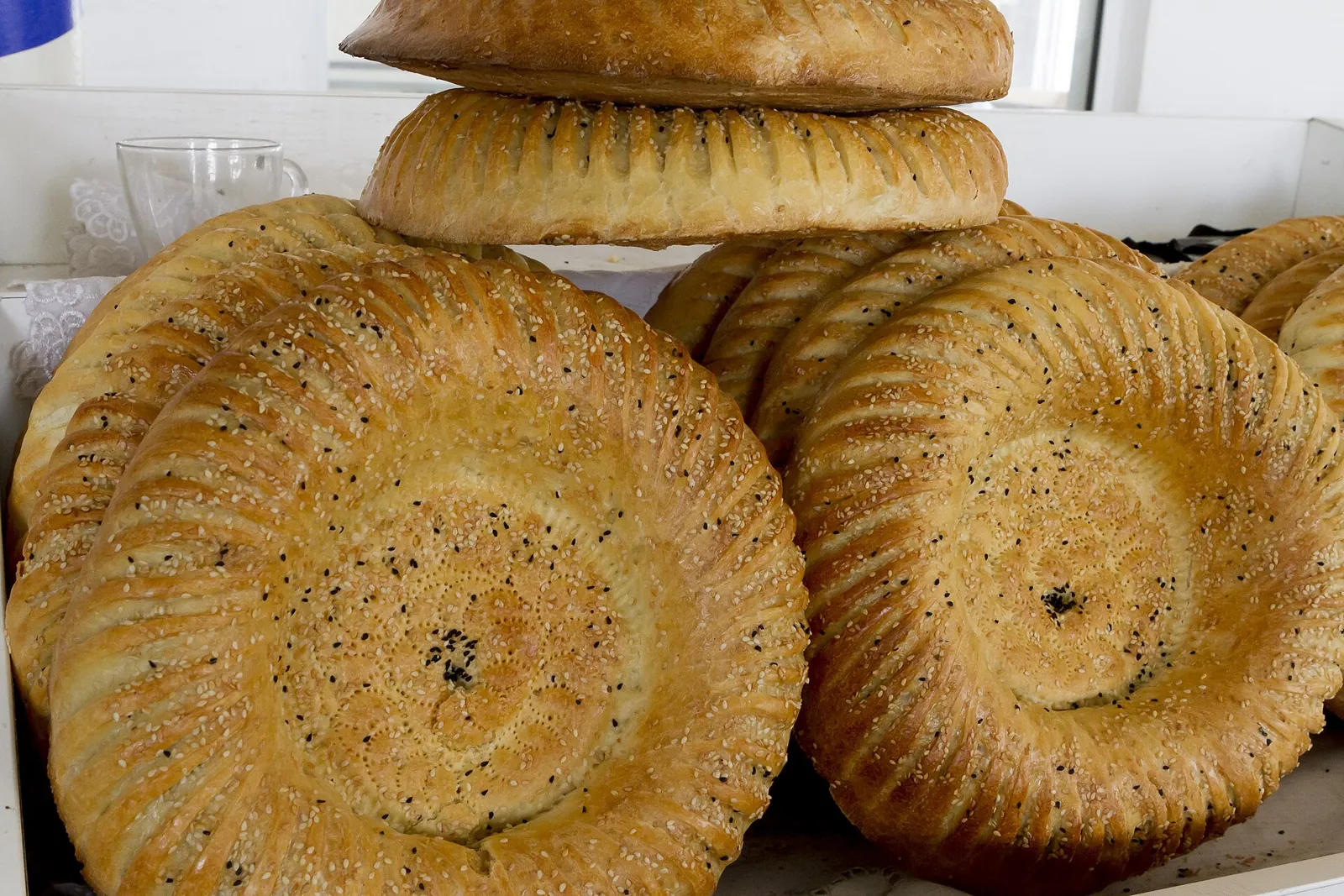
Sweets or pastries
Why it works: Easy to share with the whole family and suitable for any religious household when clearly halal.
Skip it if: The product contains alcohol or gelatin of unknown origin.
Dates or dried fruit
Why it works: A classic gift in Muslim households, especially around Ramadan, when the fast is often broken with dates.
Skip it if: You can find something more personal from your own country.
A specialty from your home country
Why it works: A food specialty, coffee or tea, or a small craft gives friends, colleagues or in-laws something they can't buy locally.
Skip it if: It contains pork or alcohol.
Small gifts for children
Why it works: School supplies or treats show thought for the whole family.
Skip it if: You can't bring enough for every child in the household.
What to avoid
- Alcohol and pork. Both are forbidden in Islam and are inappropriate gifts for a Muslim household.
- Offering your hand to a woman first. Some women prefer not to shake hands with men, so wait for her to indicate.
- Overlooking elders. Older people are treated with respect; greet them first.
- Revealing clothing. Casual wear is acceptable, but remember Djibouti is a Muslim country and dress modestly, especially away from the beach.
- Eating or drinking in public during Ramadan. Be discreet while others are fasting.
How to give and receive
- Greet first, with a handshake for men, and take time for personal conversation before getting to the point.
- Give with your right hand or both hands, a common courtesy in Muslim cultures.
- Accept refreshments such as tea or coffee when offered; it's part of building a relationship.
- Time Ramadan visits for after sunset, when families break the fast together.
- Know about khat. Chewing khat, a mild stimulant leaf, is a common afternoon social activity among many men. You don't need to take part or bring any.
- Thank your host before leaving.
Holidays and occasions
Ramadan and Eid
Public holidays include all the main Islamic holidays: Eid al-Fitr at the end of Ramadan and Eid al-Adha (each with a second day off), the Islamic New Year, the Prophet's birthday and the Prophet's Ascension. All follow the Islamic calendar, so their dates change every year. Sweets, dates or a gift for the household are good gestures for Eid visits.
Independence Day
Independence Day on June 27 is the most important national holiday. It's a day for celebrations rather than gifts.
Christmas and New Year
Christmas Day and New Year's Day are public holidays. For Christian friends, a treat for the household is appropriate.
Weddings and family events
Rituals around marriage and kinship are still widely observed, especially in rural areas, and sheikhs often lead life-cycle ceremonies. If you're invited, ask a friend of the family what guests usually bring.
Business gifting
Relationship-building and networking are central to business in Djibouti. Meetings often open with casual conversation on a personal topic, and the host usually signals when to move to business. Exchange greetings and shake hands, but let women indicate whether they wish to. Dress is flexible: suits and ties are mostly for high-level occasions, and shirts without jackets are common. French and Arabic are official; Somali and Afar are spoken by most people, and English is increasingly common.
Business gifts aren't a fixed custom. A modest, alcohol-free item such as quality sweets, a book about your region or a desk item is enough once a relationship exists. Avoid anything valuable, especially for officials, and follow your organization's policy and applicable anti-bribery laws. More ideas are in business gifts.
Frequently asked questions
What gift should I bring to a home in Djibouti?
Halal sweets, dates, pastries or a specialty from your home country. Avoid alcohol and pork.
Should I shake hands with women in Djibouti?
Wait for the woman to indicate. Some women prefer not to shake hands with men.
When is the work week in Djibouti?
Usually Sunday to Thursday, with a midday break.
What are the main holidays in Djibouti?
Eid al-Fitr, Eid al-Adha and other Islamic holidays, Independence Day on June 27, and Christmas and New Year's Day.
Many Djiboutians share language and customs with Somali communities; see gift etiquette in Somalia and Ethiopia, or browse all country guides.
Sources
- Countries and Their Cultures — Culture of Djibouti. everyculture.com
- Oxford Business Group — Djibouti: Facts for visitors (The Report 2023). oxfordbusinessgroup.com
- World Travel Guide — Djibouti: History, Language and Culture. worldtravelguide.net
- Office Holidays — Public Holidays in Djibouti. officeholidays.com
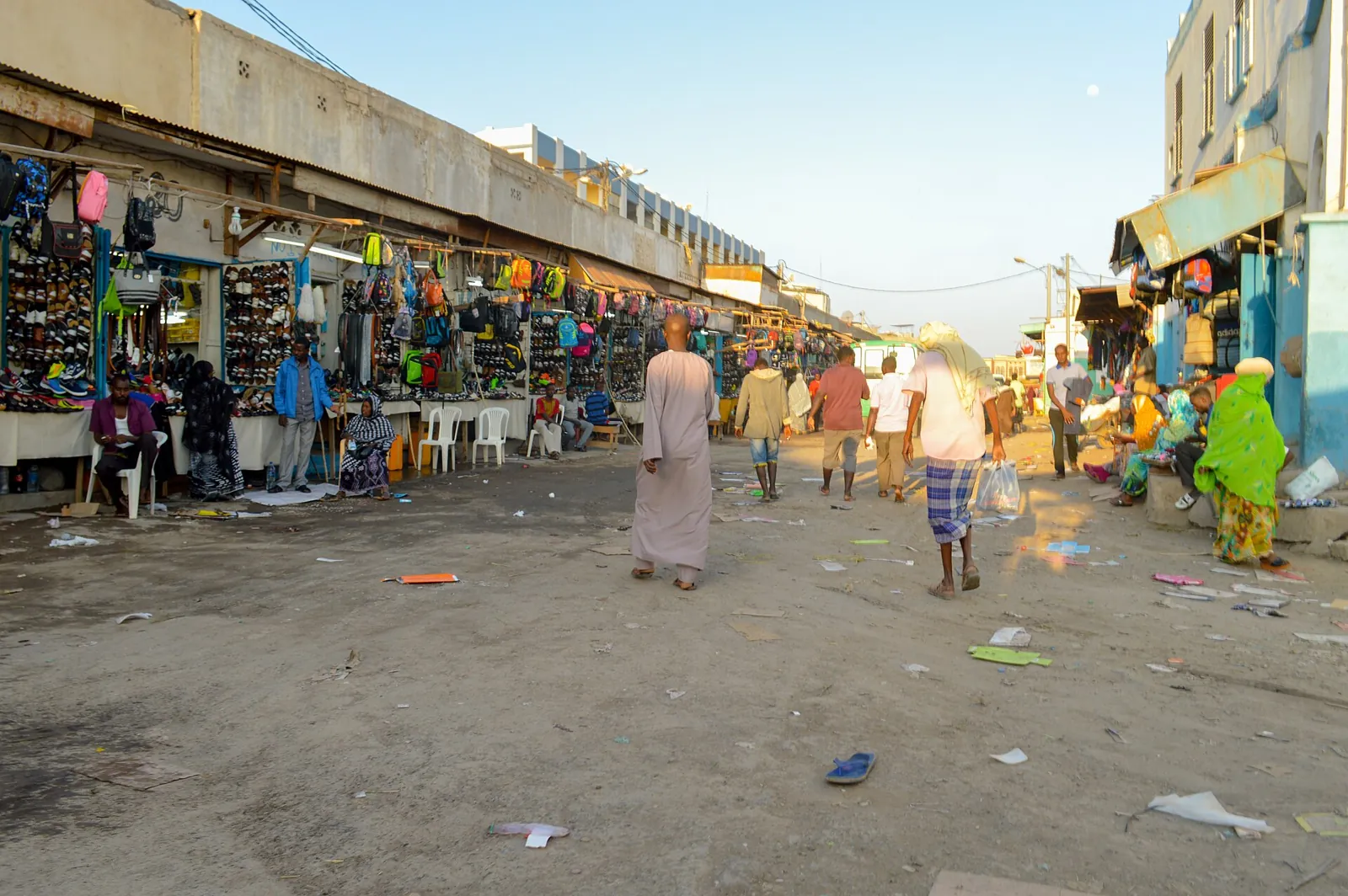
Image credits. Top image: Les Caisses market (24524873773) by Francisco Anzola from United States, CC BY 2.0, via Wikimedia Commons
Spotted something out of date or a gift that's no longer available? Tell our editors — we review every correction.