Gift Etiquette in Chile: Host Gifts, Flowers and Holidays
Wine or chocolates will please most Chilean hosts. Here is what to bring, which flowers and gifts to skip, and how gifts work from Christmas Eve to the Dieciocho.
We independently research every pick. If you buy through our links we may earn a small commission, at no extra cost to you. Affiliate disclosure.
Quick answer
When invited to a Chilean home, bring wine or chocolates; sweets, flowers sent ahead or a tasteful item from your home country also work. Avoid yellow roses, purple or black flowers, and knives or scissors, which can suggest cutting the relationship. Gifts are generally opened right away. Children open their presents just after midnight on Christmas Eve, when the Viejito Pascuero (Chile's Santa Claus) is said to arrive.
- Host gift Wine, chocolates or sweets
- Avoid Yellow roses, purple or black flowers, knives and scissors
- Opening Usually on receipt
- Big gift moment Midnight on December 24
What to give
Family is central to social life in Chile, and Cultural Atlas notes that skipping a family gathering without a good excuse can cause real offense. An invitation into someone's home is something to appreciate, and a small gift is the expected way to say thanks. Commisceo Global advises keeping gifts modest and relationship-based: wine, chocolates, sweets or a tasteful item from home are safer than anything expensive or overly personal.
For a host
A bottle of wine or a box of chocolates is the classic host gift. Chile is a major wine producer, so a good bottle from your own country, or a favorite from a region your hosts may not know, gives you something to talk about. If you'd like to give flowers, send them before the visit and choose colors carefully.
For friends and in-laws
Show genuine interest in the family, which Chileans value. For in-laws, a quality item for the home, a book, specialty food from your region or an experience gift you can share works well. Greet the head of the family first when you arrive.
A good bottle of wine
Why it works: Wine is one of the standard gifts for a Chilean host and is easy to share at dinner.
Skip it if: your hosts don't drink; chocolates are just as welcome.
Fine chocolates or sweets
Why it works: A reliable, unfussy choice that suits any household.
Skip it if: you're heading to a summer asado in the heat; pick something that won't melt.
Flowers sent ahead (no yellow roses)
Why it works: Sending a bouquet before you arrive spares your host from finding a vase mid-greeting.
Skip it if: the florist suggests yellow roses or purple or black blooms.
A tasteful item from your home country
Why it works: A local food, craft or book is personal without being extravagant.
Skip it if: it's a knife, letter opener or anything with a blade.
Find more shareable ideas in our food gifts guide.
What to avoid
- Knives and scissors. Sharp items can be read as wanting to cut off the relationship.
- Yellow roses. Commisceo Global notes they may carry a negative meaning.
- Purple or black flowers. These are associated with death.
- Expensive or overly personal gifts to people you don't know well, which can make them uncomfortable.
- Leaving straight after the meal. It's considered impolite; stay and talk.
- Refusing an offered drink. Turning it down can hurt a first impression; accept, even if you only sip.
How to give and receive
- Expect gifts to be opened right away, and open gifts you receive in front of the giver too.
- Wait at the door until you're invited in, then greet the head of the family first.
- Arrive a little late for social events. Many people arrive about half an hour after the stated time. Be punctual for business or when visiting someone of higher status.
- Let the host lead at the table. Wait to be seated and to be invited to start eating, and keep both hands above the table.
- Finish your plate. Leftovers can suggest you didn't enjoy the food.
- Toast properly. Raise your glass, look at the person being toasted and say "Salud."
A neat presentation counts; our gift wrapping guide has simple ideas.
Holidays and occasions
Christmas Eve and Christmas (December 24 and 25)
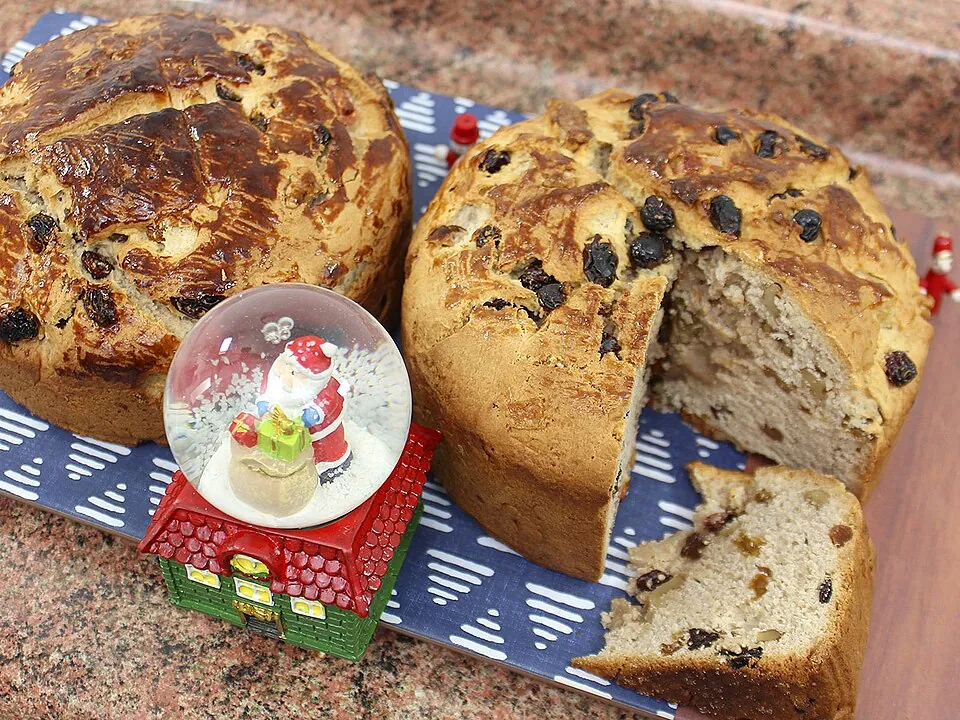
Chileans often call Christmas Pascua, which is why Santa Claus is known as the Viejito Pascuero. The main celebration is the Nochebuena dinner on December 24, often with turkey, salads and pan de Pascua, a Christmas cake with candied fruit, nuts and spices. The seasonal drink is cola de mono, made with aguardiente, milk, coffee and spices. Some families attend Midnight Mass, and just after midnight children open the presents the Viejito Pascuero has left. Because Christmas falls in summer, December 25 is often spent at an asado (barbecue), the beach or a park. A pan de Pascua or a bottle of wine is a welcome contribution if you're invited. See our Christmas guides for family gift ideas.
Fiestas Patrias (September 18 and 19)
The Dieciocho is Chile's biggest national celebration. September 18 marks the First Government Junta of 1810, which began the independence process, and September 19 celebrates the Glories of the Army; both are public holidays. People gather at fondas (festive pavilions), dance the cueca and eat empanadas de pino and anticuchos. It isn't a gift-giving holiday, but if you're invited to a family gathering, bring something to share, such as wine or dessert.
Birthdays and family occasions
Birthdays and family milestones are the main personal gift occasions. Keep gifts thoughtful rather than lavish; our birthday guides can help.
Business gifting
Gifts aren't always necessary in Chilean business. They're more appropriate for a home visit or once a relationship has developed, and they should be modest and relationship-based rather than transactional. Good choices are a tasteful item from your home country, quality chocolates or a book.
Business etiquette tends to be formal, especially in Santiago. Use Señor or Señora with the surname until invited to use first names, and greet senior people first. Anti-bribery laws in Chile, and often in your home country, can apply to business gifts and hospitality, especially where public officials are involved. Respect both organizations' gift policies. Our business gifts section has general guidance.
Frequently asked questions
What should I bring to dinner in Chile?
Wine or chocolates are the classic choices. Sweets, flowers sent ahead or a small item from your home country also work.
What flowers should I avoid in Chile?
Yellow roses, which may carry a negative meaning, and purple or black flowers, which are associated with death.
Who is the Viejito Pascuero?
Chile's name for Santa Claus. Chileans often call Christmas "Pascua," so he became the "Christmas old man." Children open his presents just after midnight on December 24.
Do Chileans open gifts in front of the giver?
Yes, gifts are generally opened as soon as they're received.
Is it OK to arrive late to a party in Chile?
For social gatherings, arriving about half an hour after the stated time is common. For business or a higher-status host, be on time.
Planning more South American visits? See our guides to Argentina and Peru, or browse all country guides.
Sources
- Cultural Atlas — Chilean Culture: Etiquette. theculturalatlas.org
- Commisceo Global — Chile Guide. commisceo-global.com
- CNN Chile — ¿Cuánto falta para Navidad 2026 en Chile? Fecha, cena y tradiciones. cnnchile.com
- Chile Travel — Viejo Pascuero: el llamativo nombre de Santa Claus en Chile. chile.travel
- Chile Travel — Fiestas Patrias in Chile. chile.travel
Image credits. Top image: Viña Casa Silva - Viñedo Angostura Vineyard by Psommaruga, CC BY-SA 4.0, via Wikimedia Commons · In-article image: Pan de pascua tradicional de Navidad by Carlosbayer, CC BY-SA 4.0, via Wikimedia Commons
Spotted something out of date or a gift that's no longer available? Tell our editors — we review every correction.




