Gift etiquette in Burkina Faso: modest gifts and warm greetings
A modest, practical gift and a proper greeting go a long way in Burkina Faso. Here is what to give, what to avoid and how business etiquette works.
We independently research every pick. If you buy through our links we may earn a small commission, at no extra cost to you. Affiliate disclosure.
Quick answer
In Burkina Faso, a modest, practical gift and a proper greeting go a long way. Small items from your home country, stationery, sweets for children or a useful household item are appreciated. Use your right hand, greet people (and elders first) before you ask for anything, dress modestly, and accept tea or food if you can. Business is very formal, conducted in French, and built on personal relationships rather than gifts.
- Host gift Practical items or treats, about $10 – $30
- Hands Right hand for greeting, giving and eating
- Languages French (official), Mooré and Dioula widely spoken
- Key dates Eid al-Fitr, Tabaski, Christmas, Independence Day (August 5)
Burkina Faso is a landlocked West African country with many ethnic groups and a majority-Muslim population alongside large Catholic and traditional-religion communities. Hospitality and respect for seniority run deep. Readers planning a visit should follow their government's current travel advice; the customs below also apply when visiting Burkinabè friends and families abroad.
What to give
Gifts should be modest and practical. Good options include:
A small item from your home country
Why it works: Personal and easy to pack, it gives your hosts something new and a conversation starter.
Skip it if: it is expensive; costly gifts can cause discomfort or create expectations.
Stationery or school supplies
Why it works: Useful in any family with children, and a gift parents appreciate.
Skip it if: you are visiting a business contact; choose a token from home instead.
Sweets for the children
Why it works: A friendly, inexpensive gesture when you visit a family you know.
Skip it if: you are handing them to children you have not been introduced to; give them to the parents.
A useful household item
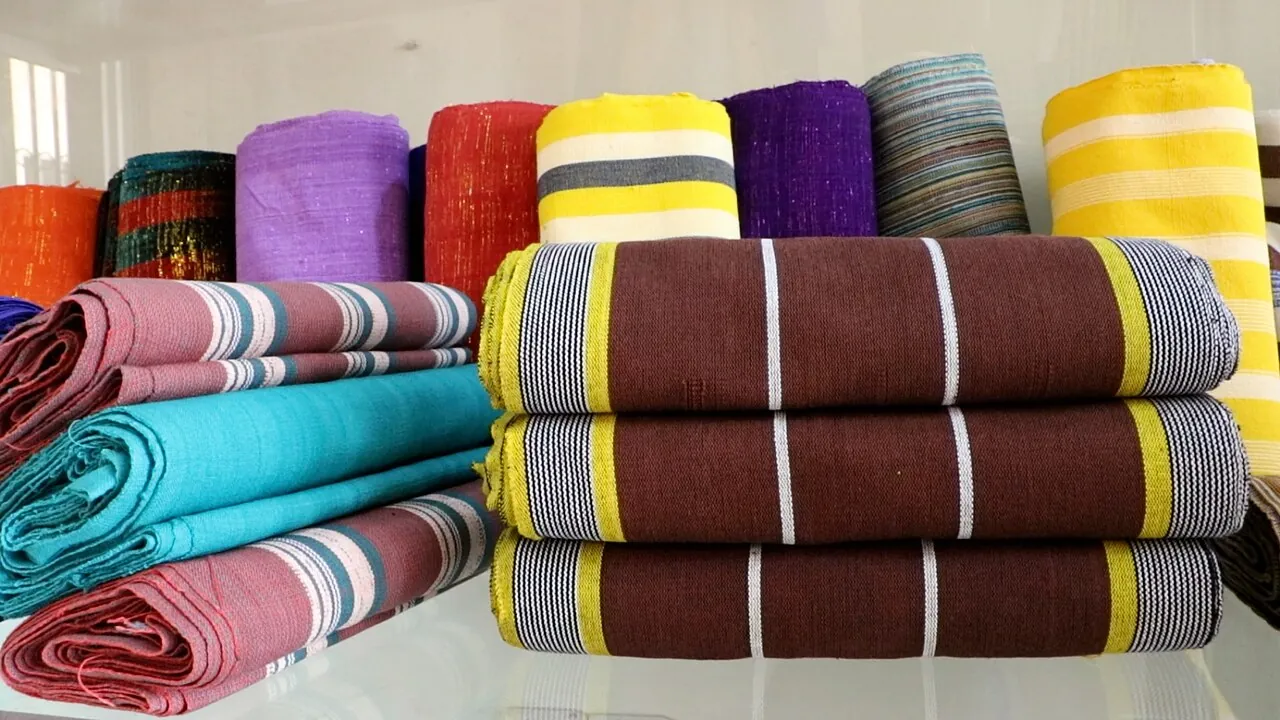
Why it works: Practical gifts such as quality tea, kitchen textiles or a thermos fit everyday life.
Skip it if: it is bulky or fragile for a long trip.
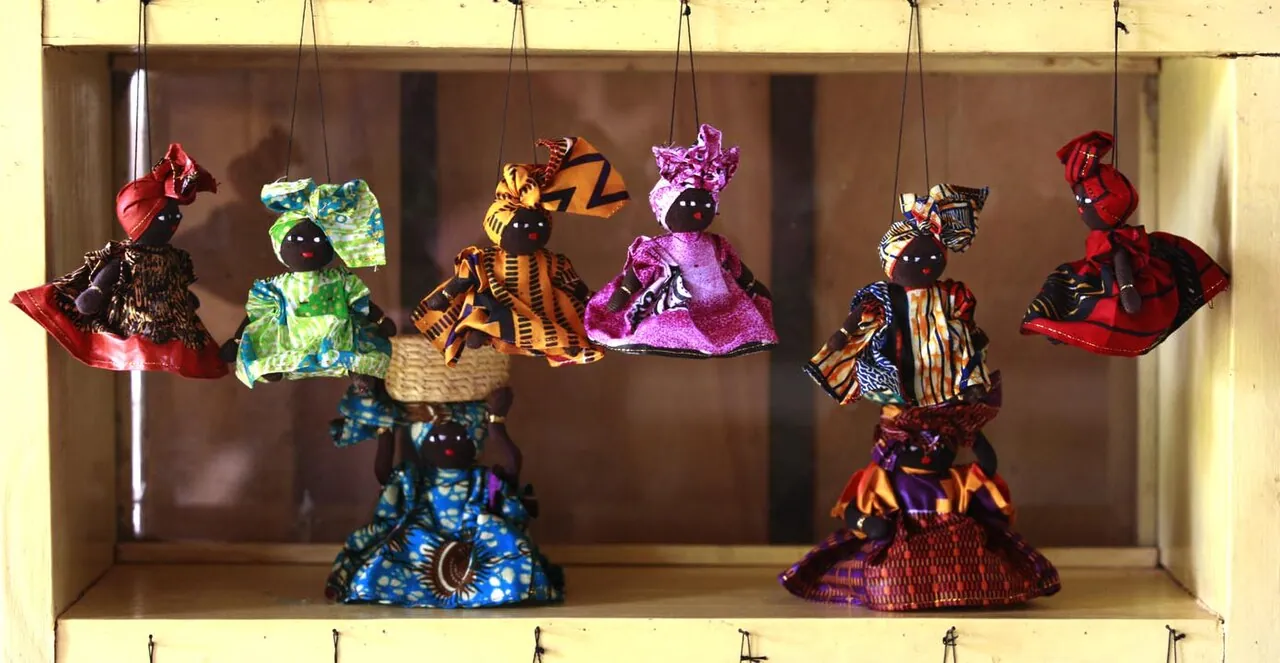
Shopping for people back home? Crafts are lovely souvenirs, but customs authorities are strict about exporting masks, religious items and antiquities, so buy from legitimate sellers and confirm you can take the item out. Our gift ideas section has more.
What to avoid
- Using your left hand to greet, give, take money or eat; it is often considered impolite.
- Alcohol or pork for Muslim hosts. Most Burkinabè are Muslim; check before choosing food or drink.
- Overly expensive gifts, which can embarrass or create expectations.
- Skipping greetings. Moving straight into a request without saying hello is often considered rude.
- Entering courtyards or photographing homes without permission. Military and government buildings must not be photographed.
- Public displays of affection, which are best avoided.
How to give and receive
- Greet first, and greet properly. Expect longer greetings and respectful titles in rural and traditional settings; "Bonjour," "Merci" and "S'il vous plaît" go a long way.
- Use your right hand to give and receive.
- Follow your host's lead at meals: wait to be shown where to sit, and eat with your right hand.
- Accept tea, water or food when offered if you can; otherwise decline politely.
- Dress modestly, covering shoulders and knees, especially at mosques, churches, traditional compounds and rural villages.
- Keep wrapping simple. See our gift wrapping guide.
Holidays and occasions
- Eid al-Fitr and Eid al-Adha (Tabaski): major Muslim holidays whose dates change each year. Families share festive meals; sweets or a practical gift are a kind way to mark a visit.
- Christmas (December 25) and Assumption (August 15): Christian holidays; see our Christmas guides.
- Independence Day (August 5) and Proclamation of the Republic (December 11).
- Day of Customs and Traditions (May 15), listed as a public holiday in recent calendars.
Public holidays can affect transport and office hours, so plan visits around them.
Business gifting
Business in Burkina Faso is conducted very formally, and greetings are an important part of the protocol. Shake hands, address officials by their title, and exchange business cards at first meetings. French is the language of business, and most officials do not speak much English. Men usually wear a suit and tie; dress neatly and conservatively whatever your role. Building a personal relationship with partners is critical, and meetings may start late, so be patient.
Gifts are not a standard part of business. A small, practical token from your home country after a successful meeting is enough. Avoid anything lavish, never offer gifts to officials that could look like payment, and follow anti-bribery laws and your organization's policy. Our business gifts guide has general advice.
Frequently asked questions
What gift should I bring to a home in Burkina Faso?
Something modest and practical: a small item from home, stationery, sweets for the children or a useful household item.
Which hand should I use?
Your right hand for greeting, giving, taking money and eating.
Can I buy masks as souvenirs?
Yes, but customs authorities are strict about exporting masks, religious items and antiquities. Buy from legitimate sellers and check export rules.
What language is used in business?
French. Mooré and Dioula are also widely spoken.
Browse all country guides for neighboring countries.
Sources
- Hello Travel — Burkina Faso Cultural Guide: Etiquette, Customs, and Tips. travelwithhello.com
- U.S. International Trade Administration — Burkina Faso Country Commercial Guide: Business Travel. trade.gov
- World Nomads — Local Laws & Customs Tips for Travelers to Burkina Faso. worldnomads.com
- Wikipedia — Culture of Burkina Faso. en.wikipedia.org
Image credits. Top image: Ouagadougou (3844863341) by Steve Evans from Citizen of the World, CC BY 2.0, via Wikimedia Commons · In-article image: Pagnes tissés faso dan fani by Souleymane Yalgweogo, CC BY-SA 4.0, via Wikimedia Commons
Spotted something out of date or a gift that's no longer available? Tell our editors — we review every correction.




