Gift etiquette in Armenia: host gifts, toasts and New Year
Armenians rarely arrive empty-handed. Learn what to bring a host, how toasts and hospitality work, and why New Year is the main gift-giving day.
Quick answer
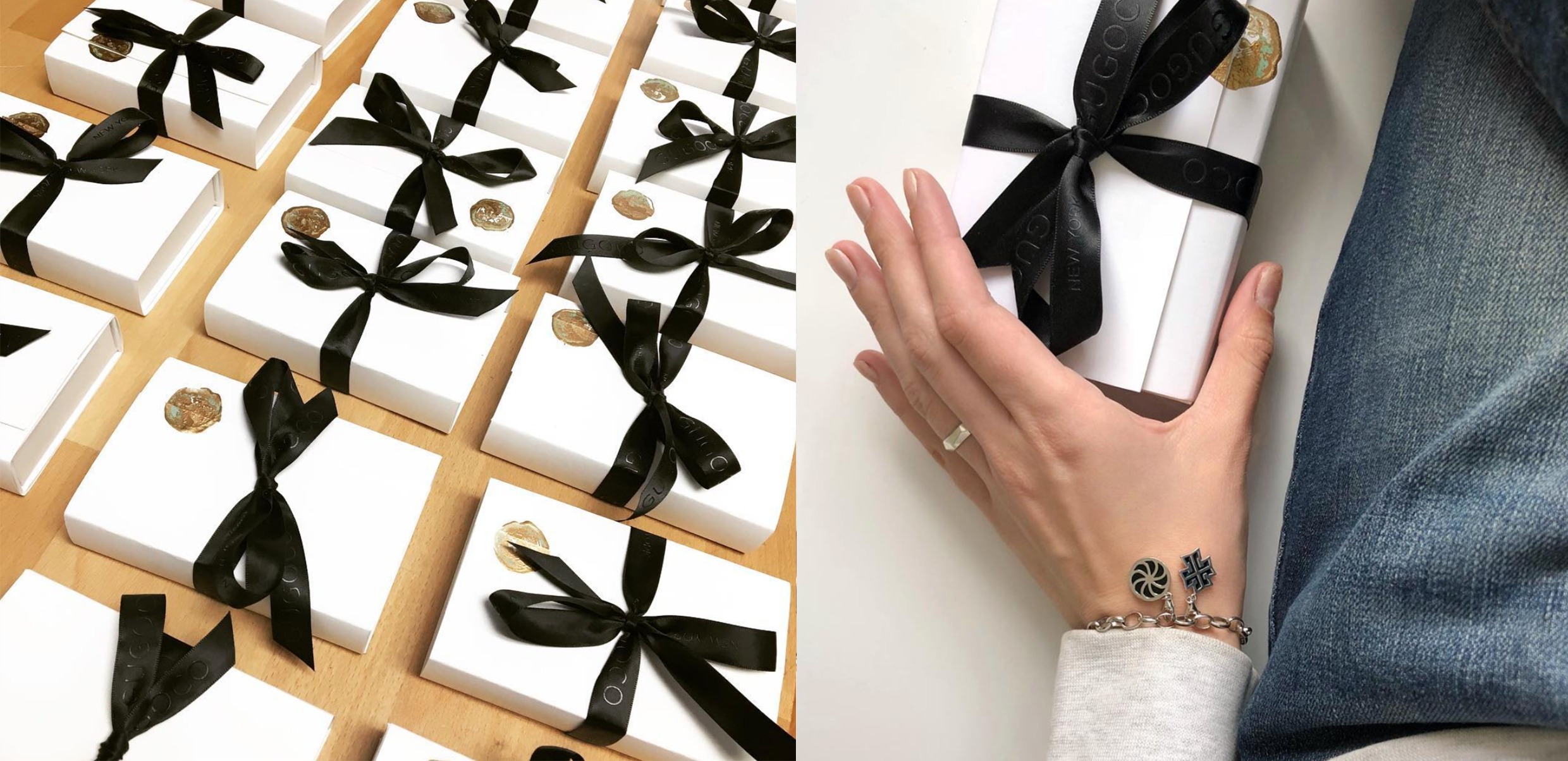
In Armenia, people rarely arrive at someone's home empty-handed, even on repeat visits. Sweets, wine, flowers or a small souvenir from home are all good choices; offer the gift with both hands, keep it modest, and skip anything with political symbolism. New Year, not Christmas, is the main time for presents. Christmas itself falls on January 6 and is a more religious occasion.
- Safe host gift Sweets, chocolates, wine, flowers, fruit, a souvenir from home
- Typical budget $15 – $40
- Main gift day New Year (December 31 – January 1)
- Armenian Christmas January 6
Social life in Armenia centers on hospitality. Visitors are often invited into homes and family gatherings, and being invited in is a sign of trust and warmth. A small gift is the expected way to acknowledge that welcome. Gift-giving is thoughtful rather than extravagant, and much of the real exchange happens around the table, through food, toasts and conversation.
What to bring
For a home visit
It is customary to bring a small gift when invited to someone's home, and it can be anything from sweets to wine and flowers. Chocolates, pastries, fruit or a small souvenir from your own country also work well. Bring something even if you have visited before; Armenians tend not to arrive empty-handed.
For close friends
A personal gift that shows you know the person, such as a book, a framed photo of a shared moment, or something connected to their hobby, will mean more than an expensive brand-name item.

Experiences
Shared meals are at the heart of Armenian social life, so treating friends to a dinner out, or tickets to a concert you can attend together, can be a warm alternative to an object. See our experience gifts for ideas.
What to avoid
- Flashy or overly expensive gifts that could embarrass your host.
- Anything with political symbolism. Regional conflicts are sensitive; avoid maps, flags or slogans that touch on them.
- Jokes about sensitive history. Dismissive or joking comments about the Armenian Genocide, ongoing regional conflicts or religion are deeply hurtful.
- Refusing hospitality repeatedly. Turning down food or drink again and again is generally seen as impolite, especially outside the capital.
How to give and receive
- Offer the gift with both hands when you arrive.
- Be on time or a few minutes early. Being late without explanation can be seen as rude.
- Remove your shoes if you see a pile near the door or others doing it.
- Accept graciously and say thank you; a follow-up message the next day is a nice touch. Our thank-you section has ideas.
Visiting an Armenian home
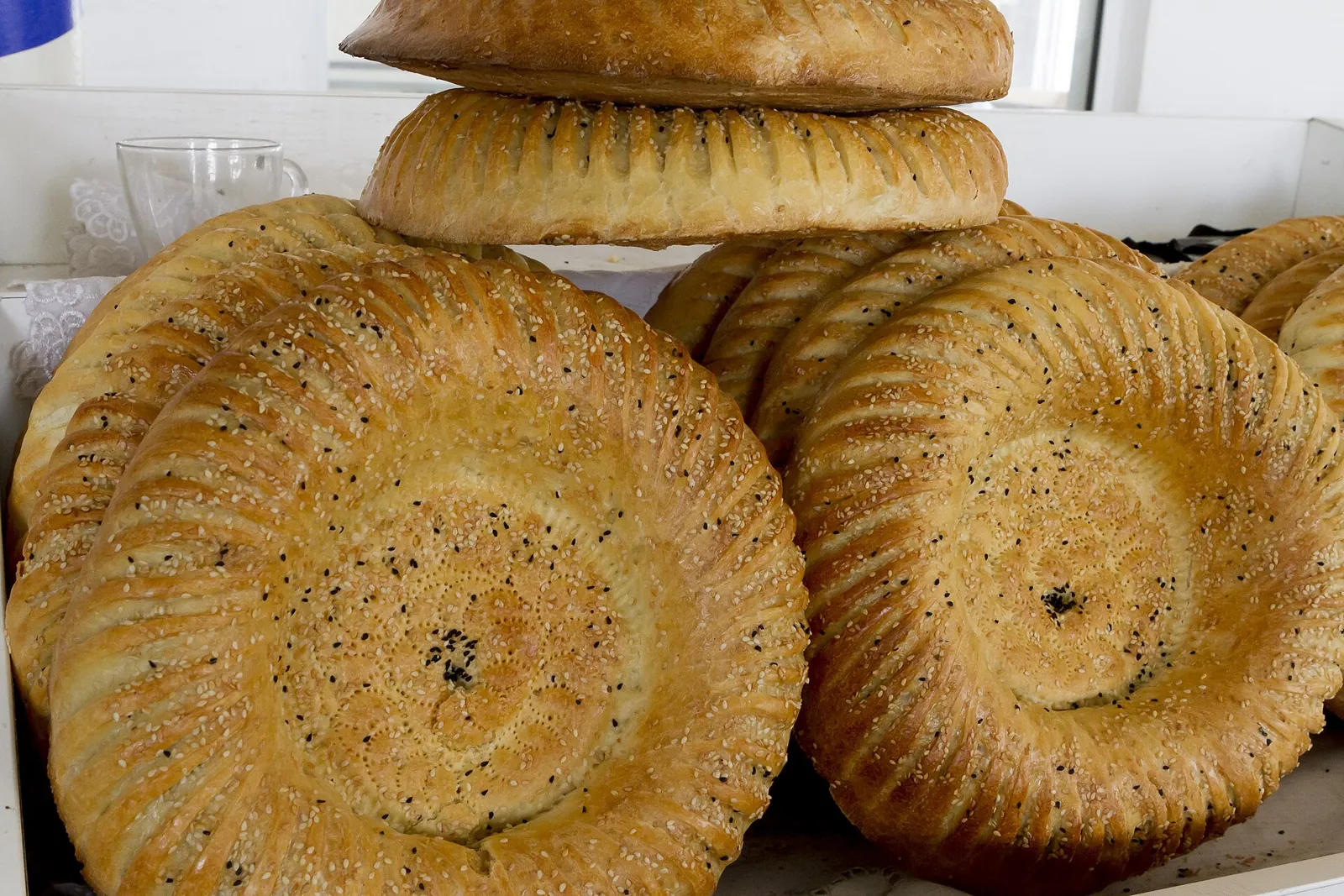
Expect a generous table: bread, cheese, meats, salads and dolma are typical. Hosts will encourage you to eat more, and accepting seconds is polite. Try what is served and compliment the cooking. Accept coffee or sweets when they are offered.
Toasts are a cherished ritual, often led by a tamada (toastmaster), and are commonly made with wine or brandy to friendship and health. Join in respectfully, but you do not have to drink beyond your comfort level; sipping is fine. Follow your host's lead on where to sit.
Holidays and occasions
New Year
New Year was the main winter celebration for most of the 20th century and remains a major holiday. Gifts are given at New Year, and the gift-bringer is a figure associated with the New Year (known as Gaghant Baba or Dzmer Papik) who traditionally arrives on New Year's Eve. Relatives visit one another on New Year's Day, so it is a good time to bring sweets or a small present. Children also bring fruit, nuts and sweets to older relatives.
Christmas on January 6
The Armenian Apostolic Church celebrates Christmas on January 6, together with Epiphany. It is treated more as a religious holiday than a gift-giving one. Many people fast from December 30 to January 5, and the festive season usually runs until January 13. Traditional foods include ghapama (stuffed pumpkin), gata (a sweet pastry) and rice pilaf with raisins and dried fruit.
Other occasions
Birthdays, weddings, and christenings are other common gift occasions. For a wedding, ask a mutual friend about local expectations, which vary by family.
Business gifts
Relationships matter in Armenian business, and hospitality, including meals and toasts, is part of building them. Gifts are not required, but a modest item from your home country, such as a book, a regional food specialty or a quality pen, is a good gesture once you know your counterpart. Keep the value low, especially with public officials, and follow anti-bribery laws and your company's policy. Accept invitations to meals where you can, as they are an important part of building trust.
Frequently asked questions
What should I bring to an Armenian home?
A small gift such as sweets, wine, flowers, fruit or a souvenir from home. Offer it with both hands.
When do Armenians exchange gifts?
Mainly at New Year. Christmas on January 6 is more of a religious holiday.
Is it rude to refuse food in Armenia?
Refusing repeatedly is generally seen as impolite. Accept at least a little and compliment the cook.
Do I have to drink during toasts?
No. Join the toast respectfully, but you do not have to drink beyond your comfort level.
Find more destinations in countries.
Sources
- Repat Armenia — Beyond the honeymoon period: how to handle cultural differences in Armenia. repatarmenia.org
- Hello Travel — Armenia cultural guide: etiquette, customs and tips. travelwithhello.com
- Radio Free Europe/Radio Liberty — Christmas in Armenia: when "light from the church" brightens the darkest days. rferl.org
- Why Christmas — Christmas in Armenia. whychristmas.com
Spotted something out of date or a gift that's no longer available? Tell our editors — we review every correction.