Gift etiquette in Angola: host gifts, greetings and Christmas
Fruit, flowers or chocolates are good gifts for an Angolan host. Learn how greetings, elders, Christmas and business relationships shape gifting.
Quick answer
When visiting an Angolan home, a small gift such as fruit, flowers or chocolates is appreciated, and something for the children is welcome too. Keep it modest, since the gesture matters more than the price, and don't be surprised if the gift is opened later. Christmas, which is also Family Day in Angola, is the main time for visiting and gift-giving, especially in cities.
- Safe host gift Fruit, flowers, chocolates
- Typical budget $15 – $40
- Language Portuguese
- Main gift season Christmas and New Year
Angola is a Portuguese-speaking country where family, respect for elders and personal relationships shape everyday life and business alike. Roman Catholicism has had a strong historical influence, Protestant communities are significant, and traditional beliefs persist in some areas. Gift customs are more established in cities than in rural areas, so take your lead from the people you are visiting.
What to bring
For a home visit
Fruit, flowers or chocolates are suitable for a host. A small gift for the children of the household is also welcomed and shows thought for the whole family. Our food gifts section has ideas that travel well.
For friends and colleagues you know well
Something from your own country or city, a good book, or a quality item tied to the person's interests works better than something expensive.
For children
Small toys, books or sweets are easy, low-cost options that hosts appreciate.
What to avoid
- Extravagant gifts. Etiquette guides stress that the gesture matters more than extravagance; an overly expensive present can make a host uncomfortable.
- Skipping greetings. Rushing straight to the gift or to business without asking after health and family comes across as abrupt.
- Ignoring elders. Greet the eldest and most senior people first.
- Casual dress for visits or meetings. Dressing well is a sign of respect; it is better to be slightly overdressed than too casual.
How to give and receive
- Greet first, give second. Greetings are usually polite and unhurried, with questions about health, family and wellbeing. A handshake is the most common greeting, and a slight bow may be used toward someone older or more senior.
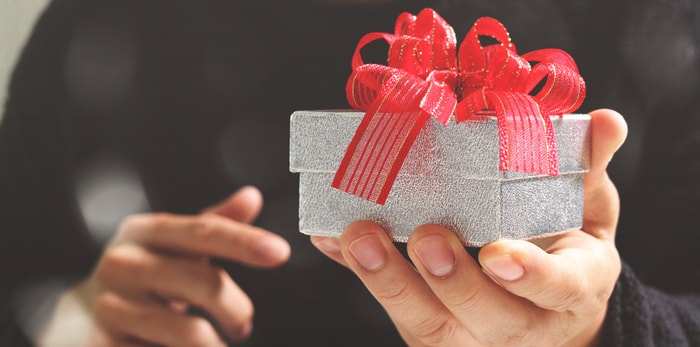
- Hand the gift to your host after greetings, with a few warm words. Do not expect it to be opened immediately.
- Say thank you properly when you receive something, and follow up later; our thank-you guides have ideas.
- Use titles and surnames until you are invited to be more informal.
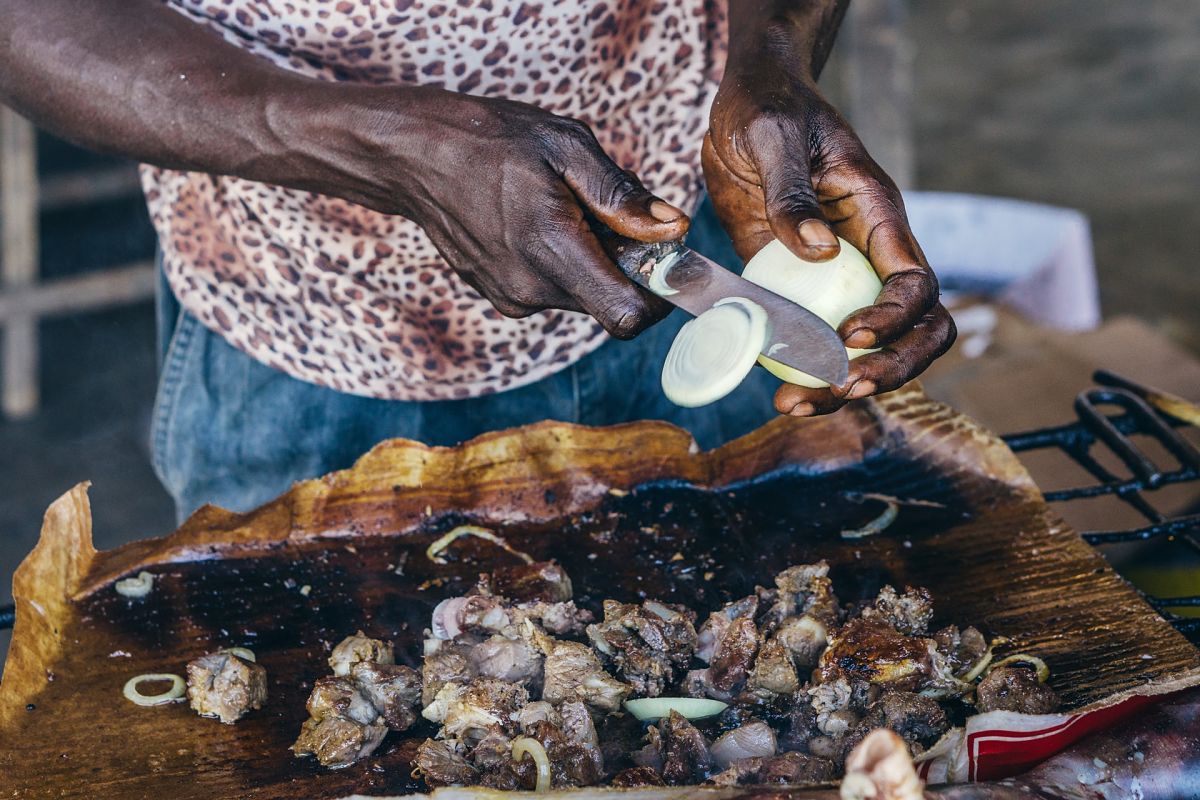
Visiting an Angolan home
Social meals are an important way of building relationships. In some settings, food may be served from a communal bowl, and the eldest person may be expected to start eating first. Hosts often encourage guests to eat more; accepting a second helping is a compliment to the cook. Business is usually not discussed straight away at social occasions.
If you are unsure what to bring or how formal to be, it is perfectly fine to ask a mutual friend or colleague. Showing that you care about getting it right is itself a sign of respect.
Holidays and occasions
December 25 is a public holiday celebrated in Angola as Christmas and Family Day. After church, families gather for the main meal, and relatives and friends visit each other's homes, where guests are always welcome. Many families save up through the year for special Christmas food. Gift-giving at Christmas is more common in cities than in rural areas.
Weddings, christenings and birthdays are the other main gift occasions. For holiday shopping ideas, see our Christmas guides.
Business gifts
Angolan business is hierarchical and relationship-based. Personal relationships are crucial, and agreements are usually made only once trust has been built, so visiting in person and spending time socializing pays off. Portuguese is the preferred language of business, and formal dress is appreciated, especially in early meetings. Phoning before sending emails is often preferred.
Business cards are commonly exchanged. Present yours so the text faces the recipient and is readable, make sure your title is clearly displayed, and handle the cards you receive with care rather than stuffing them into a pocket. Government officials may expect to be addressed very formally, so err on the side of titles and surnames until invited otherwise. A professionally prepared card, ideally with a Portuguese side, helps your credibility.
Gifts are not essential in business. If you give one, keep it modest, such as a book about your region, a quality pen or a food specialty from home, and give it once a relationship exists. Bureaucracy and corruption have been reported as ongoing challenges, so be scrupulous: avoid anything that could be read as an inducement, especially with officials, and follow anti-bribery laws such as the U.S. FCPA or the UK Bribery Act where they apply, as well as your company's policy.
Frequently asked questions
What should I bring to an Angolan home?
Fruit, flowers or chocolates for the host, and a small gift for any children.
Are gifts opened right away in Angola?
Not necessarily. Gifts may be opened later, after you leave.
When do Angolans exchange gifts?
Mainly at Christmas (a public holiday also called Family Day), especially in cities, as well as weddings, christenings and birthdays.
What language should I use for business in Angola?
Portuguese. Few business contacts may be fully comfortable in English, so consider an interpreter or translated materials.
Explore more destinations in countries.
Sources
- Commisceo Global — Angola: Language, Culture, Customs and Etiquette. commisceo-global.com
- How We Made It In Africa — 5 points of advice when travelling to Angola for business (advice originally published by the Netherlands Embassy in Luanda). howwemadeitinafrica.com
- Why Christmas — Christmas in Angola. whychristmas.com
- Office Holidays — Christmas Day and Family Day in Angola. officeholidays.com
Spotted something out of date or a gift that's no longer available? Tell our editors — we review every correction.