Gift etiquette in Afghanistan: what to bring and what to avoid
Sweets, fruit and pastries are the safest gifts for an Afghan host. Here is how to give them, what to avoid, and how gifts work at Eid.
Quick answer
When you visit an Afghan home, bring something sweet or edible such as fruit, pastries or a neatly wrapped box of sweets, and set it down quietly rather than making a show of handing it over. Use your right hand, skip alcohol and anything made from pork (including pigskin leather), and expect the generosity to flow back your way.
- Safe host gift Fruit, pastries, sweets, dried fruit and nuts
- Typical budget $15 – $40 for a home visit
- Avoid Alcohol, pork products, pigskin leather
- Main gift seasons Eid al-Fitr and Eid al-Adha; weddings and births
Hospitality sits at the center of Afghan social life, and gifts are mostly a way of answering it. The advice below reflects common practice in Afghanistan and in many Afghan families abroad, but customs vary by region, ethnic group, generation and how religiously observant a family is. If you know the household, their habits matter more than any general rule.
What to bring
Food is the easiest and most welcome choice. For a first visit for tea, a small gift is appropriate; if you are invited for lunch or dinner, bring something that can be eaten for dessert.
Sweets and pastries
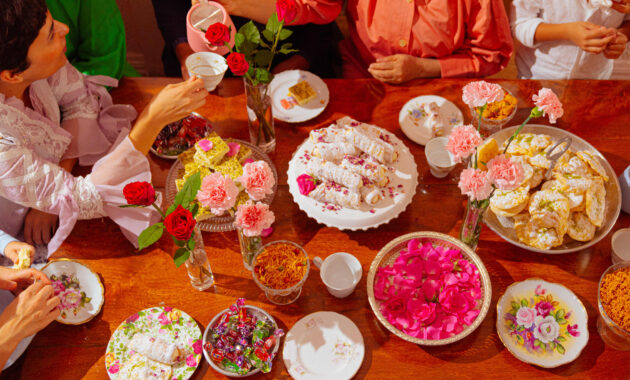
A box of pastries or sweets from a good bakery, ideally an Afghan, Persian or Middle Eastern one if you live near one, is a dependable choice. It suits almost every household and can be shared with other guests.
Fruit, dried fruit and nuts
Fresh fruit is a classic host gift. A well-presented box of dried fruit and nuts works too, and it keeps, which makes it handy when you are visiting during a holiday and the host is receiving many guests.

Something for the children
Small gifts for children are a kind gesture, and at Eid it is common for relatives to give children money, known as eidi. If you are close to the family, a crisp note in an envelope for each child is a natural way to join in. For more ideas that travel well, see our food gifts section.
Textiles and crafts
For a closer friend, a good-quality scarf or a piece of handmade embroidery can be a lovely present. Keep clothing modest, and for a woman you do not know well, let it come from a female relative (see below).

What to avoid
- Alcohol. Alcohol and pork are prohibited in Islam and rarely consumed in Afghanistan. Do not give alcohol to devout Muslims or to anyone you are not close to; if a close friend does drink, keep it discreet.
- Pork in any form. That includes gelatin in sweets and leather goods made from pigskin. Check labels on candy and gummies.
- Accepting something you have just admired. If you praise an object and your host offers it to you, politely decline. A generous host may feel obliged to give away something they wanted to keep.
- Personal gifts across genders. A man should not give a personal gift directly to a woman outside his family.
How to give and receive
- Be low-key. Rather than presenting the gift with ceremony, place it near the door as you come in or on the table when you sit down. The host may open it later.
- Use your right hand to pass and receive things, including food. The left hand should not touch food.
- Single men visiting a family are advised to present a gift as coming from a female relative such as a wife, mother or sister.
- Wrap neatly. There are few wrapping rules beyond neatness; green paper is often used for wedding presents.
- Expect reciprocity. Hospitality is returned in kind. Accept generosity graciously and return it when you host. A heartfelt thank-you also goes a long way; our thank-you guides can help.
Visiting an Afghan home
Remove your shoes at the door and wait to be shown where to sit. You may sit on cushions on the floor; sit cross-legged or in a comfortable position and avoid stretching your legs out or pointing the soles of your feet at anyone.
Always accept tea or other refreshments, since refusing can come across as very rude. Your glass will be refilled until you cover it with your hand and thank your host. Food is often served communally and may be eaten with the right hand. Leave a little on your plate when you are full; a clean plate suggests you would like more.
In many homes men and women socialize separately. Do not ask a man about his wife or female relatives unless you know the family well, and ask before photographing anyone, especially a woman.
Holidays and occasions
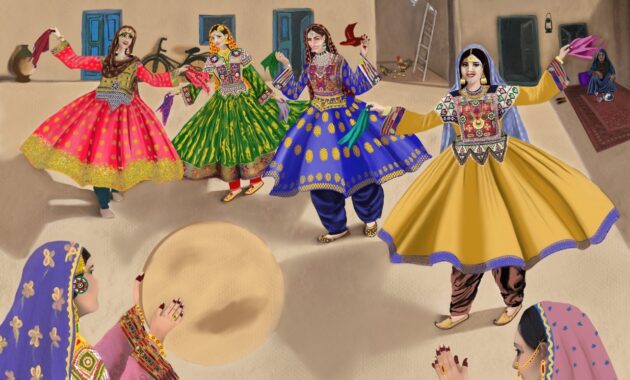
The two Eids are the main gift seasons. Eid al-Fitr ends Ramadan and Eid al-Adha follows the Hajj; both fall on dates that move each year with the Islamic calendar. Families visit relatives and friends, children often get new clothes and eidi from relatives, and hosts set out sweets for the stream of visitors. Bringing sweets or pastries when you visit during Eid fits right in.
During Ramadan, do not offer food to someone who is fasting before sunset, and avoid eating or drinking in front of them during the day. Weddings and births are also traditional times for gifts.
Business gifts
In business settings, relationships come first and meetings often open with tea and personal conversation. Modest, good-quality items such as a book about your home city, a desk accessory or a box of sweets for the office are safer than anything expensive. Keep gifts small, follow your own organization's anti-bribery policy, and be especially careful with officials, for whom valuable gifts can be inappropriate or illegal. Men and women typically do not shake hands; a hand over the heart with a slight nod is a respectful alternative. For general workplace ideas, see our gifts for coworkers.
Frequently asked questions
What should I bring to an Afghan family's home for dinner?
Fruit, sweets or pastries are the standard choices. Place the gift near the door or on the table rather than handing it over with ceremony.
Can I give alcohol to an Afghan friend?
Generally no. Alcohol is prohibited in Islam. Only consider it for a close friend you know drinks, and even then give it discreetly.
Is cash an acceptable gift?
Yes, in the right context. Relatives commonly give children money (eidi) at Eid. For adults, cash is best left to family or close friends at events such as weddings.
What if my host offers me something I complimented?
Politely decline and thank them. Hosts may feel obliged to give away an item a guest admires.
Sources
- The Cultural Atlas — Afghan Culture: Etiquette. theculturalatlas.org
- Commisceo Global — Afghanistan: Language, Culture, Customs and Etiquette. commisceo-global.com
- Afghan Culture Unveiled — Eid Mubarak: A Celebration of Muslim Holiday. afghancultureunveiled.com
Spotted something out of date or a gift that's no longer available? Tell our editors — we review every correction.