Get-well gifts after surgery that make recovery easier
After surgery, the kindest gifts make rest easier and daily tasks lighter. Here are comfort, practical and entertainment ideas, plus what hospitals often restrict and how to bring food safely.
We independently research every pick. If you buy through our links we may earn a small commission, at no extra cost to you. Affiliate disclosure.
Quick answer
Good get-well gifts after surgery support rest and make small tasks easier: a soft wrap or loose button-front pajamas, an extra-long phone charging cable, a wedge pillow, audiobooks or puzzles, and ready-to-heat meals once they are home. Practical help, such as walking the dog or driving to follow-up appointments, is often the most valued gift of all. Before taking flowers or balloons to the hospital, check the unit's rules: many hospitals ban latex balloons, and intensive care units often do not allow fresh flowers or plants.
- Typical budget $15 – $60, or the gift of your time
- Best bets Comfort wear, practical helpers, meals at home
- Check first Hospital rules on flowers, balloons, scents and food
Recovery from surgery is often slower and more tiring than people expect. Movement may be limited, appetite can change, and visitors can be both welcome and exhausting. Choose gifts that ask nothing of the patient, and if you are unsure what is allowed or helpful, ask a family member or the person themselves before you buy.
Comfort for the first days
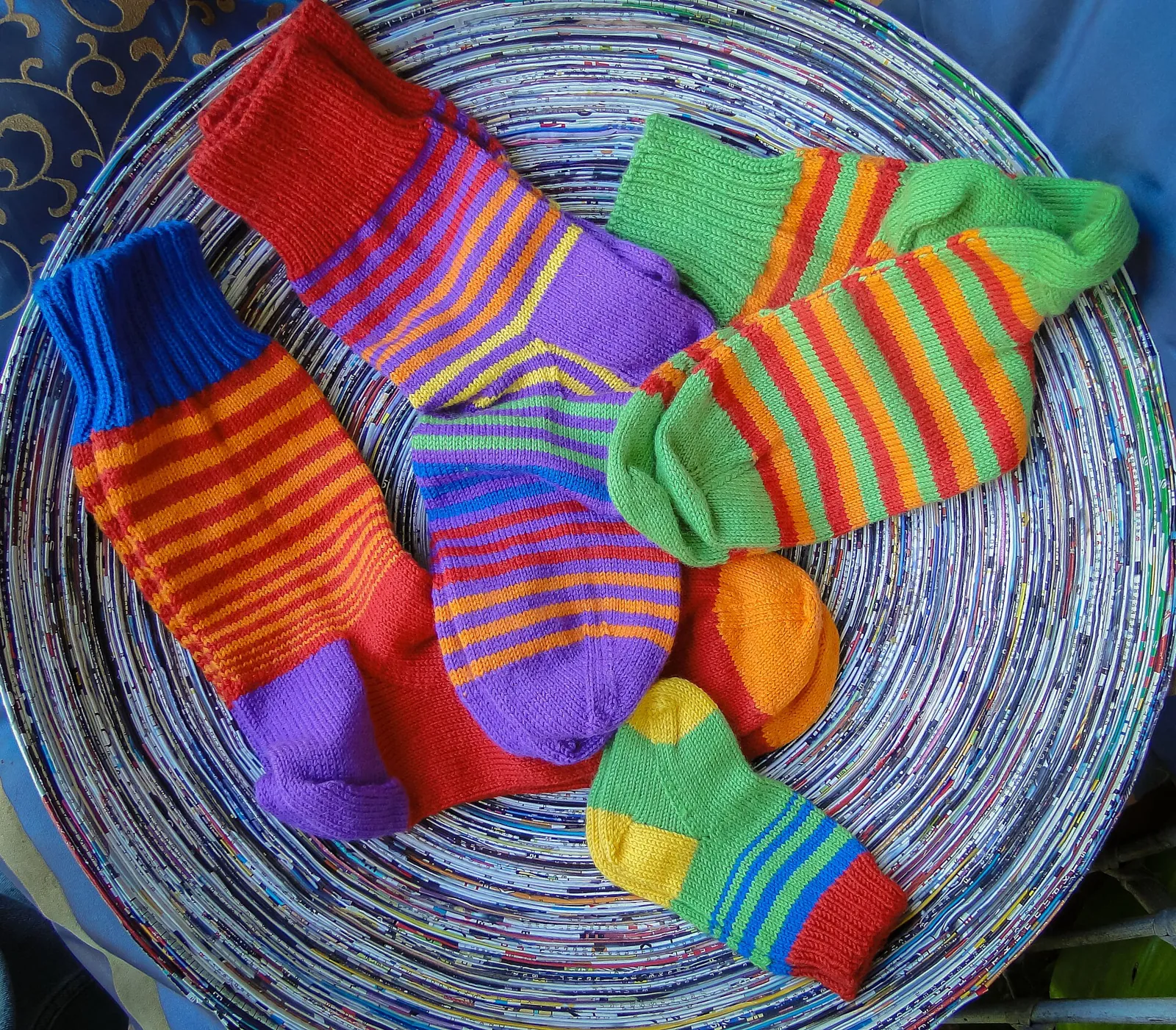
Soft, loose recovery clothing
Why it works: Button-front pajamas, a zip hoodie or wide-leg lounge pants are easy to put on around dressings, drains or a sore shoulder.
Skip it if: you do not know their size or the type of surgery; a cozy blanket avoids the guesswork.
A wedge or support pillow
Why it works: Many people recovering at home rest propped up on the couch or in bed, and a firm wedge or a pillow with arms can make that more comfortable.
Skip it if: their care team has given specific positioning instructions; follow those, and ask before buying medical-style aids.
Grip socks and an unscented lip balm
Why it works: Non-slip socks help on hard floors during early walks, and lip balm is a small comfort during long days in bed.
Skip it if: they are in a hospital with a scent-free policy and the balm is perfumed; choose unscented.
A plush throw or weighted blanket
Why it works: A soft throw makes a hospital room or recovery couch feel more like home.
Skip it if: they had chest or abdominal surgery and a heavy weighted blanket would press on the area; a light fleece is safer.
Practical helpers that make life easier
An extra-long charging cable
Why it works: Outlets are rarely near the bed, in the hospital or at home. A 10-foot cable keeps the phone, their link to everyone, within reach.
Skip it if: you are unsure of their phone type; a cable set with multiple tips works.
A reacher-grabber tool
Why it works: After hip, knee, back or abdominal surgery, bending down can be difficult. A grabber helps pick up dropped items safely.
Skip it if: the hospital already supplied one, which is common after joint replacement.
Your time, offered specifically
Why it works: "I will walk the dog on Tuesday and Thursday" or "I can drive you to your follow-up" is easier to accept than "let me know if you need anything." A homemade coupon book makes it feel like a gift; see our homemade gift certificates.
Skip it if: they value privacy; offer once, kindly, and let them decide.
Gentle entertainment
An audiobook or streaming gift card
Why it works: Pain medication and fatigue can make reading hard. Listening or watching takes less energy.
Skip it if: they already subscribe; a quality pair of comfortable earbuds is an alternative.
Puzzle books or a simple craft kit
Why it works: Crosswords, sudoku or a small knitting kit fill long afternoons without much effort.
Skip it if: their hands or arms are affected by the surgery.
Food, flowers and hospital rules
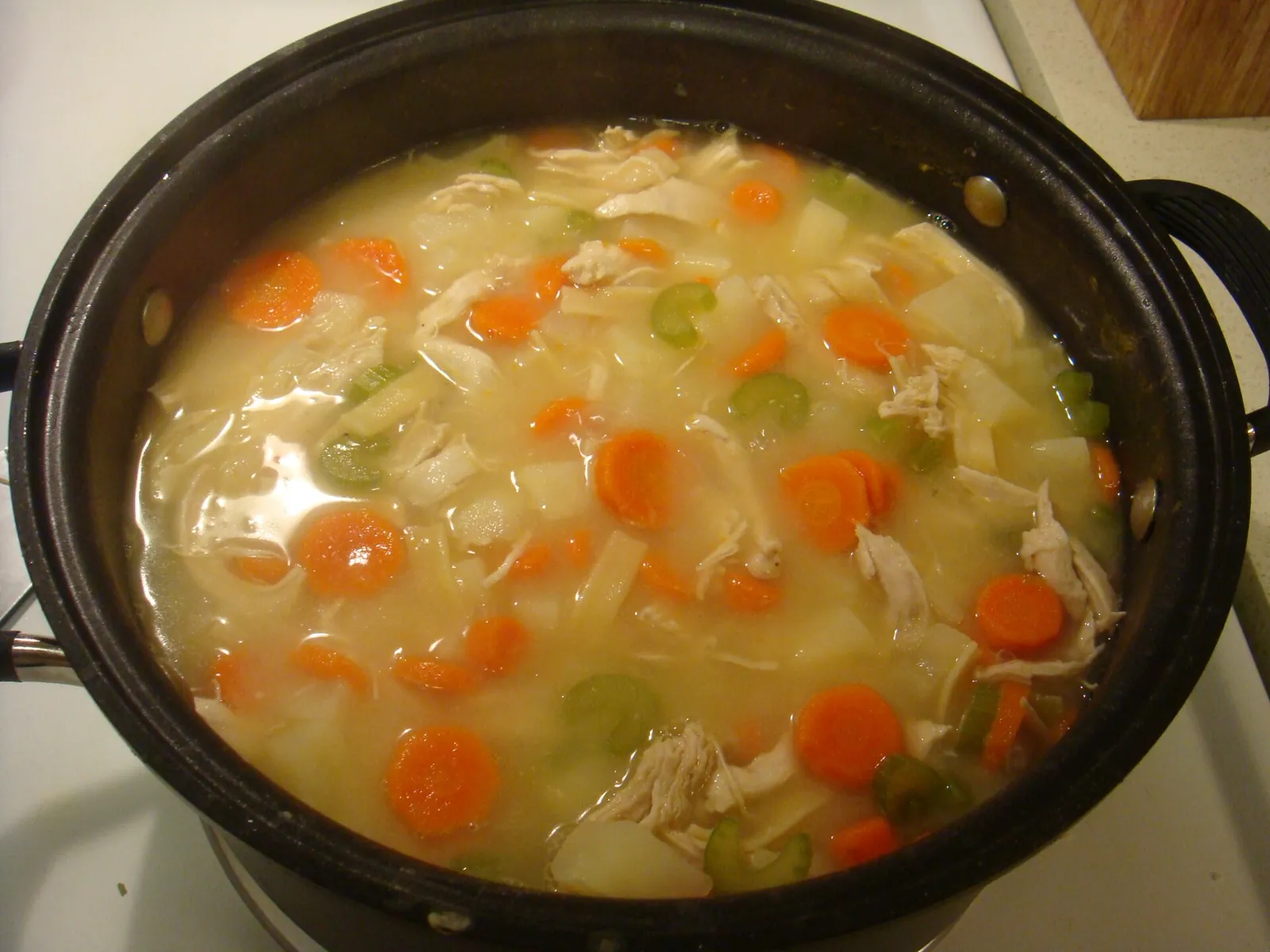
Ready-to-heat meals for home
Why it works: Cooking is hard during recovery. Freezer meals in labeled containers, or a meal delivery card, help the whole household.
Skip it if: they are on a special post-operative diet; ask what they can eat first.
A potted plant or flowers once they are home
Why it works: Flowers can brighten a recovery room at home, where hospital rules do not apply. Choose a low-scent arrangement; see our flower delivery guide.
Skip it if: they have allergies or are immunocompromised; a card or photo display is safer.
Check hospital rules first. Policies differ by hospital and by unit. For example, Toronto's UHN does not permit flowers or plants in intensive care patient rooms or some transplant units, and does not allow latex balloons because of allergy risk, though it does allow Mylar balloons. Astria Health does not allow live flowers or plants in its ICU because they can carry infectious agents, and encourages cards, pictures, silk flowers and stuffed animals instead. Call the unit or check the hospital's visitor page before you go.
Bring food safely. Ask about dietary limits, keep cold food cold in transit, and get it into the fridge quickly. The CDC advises refrigerating perishable food within 2 hours, or within 1 hour if it has been somewhere above 90°F, such as a hot car, and keeping the fridge at 40°F or below. Take extra care for people who are more likely to become seriously ill from food poisoning, including adults over 65 and anyone with a weakened immune system. Label every dish with what it is, the date and reheating instructions.
For more ideas, see our get-well gifts and get-well care package ideas.
Frequently asked questions
Can you bring flowers to someone in the hospital after surgery?
Sometimes. Many general wards allow them, but intensive care, transplant and some cancer units often do not. Call the hospital or check its visitor policy first, or wait and send flowers to their home.
Are balloons allowed in hospitals?
Latex balloons are banned in many hospitals because of latex allergies. Some allow foil (Mylar) balloons, but rules vary, so check before you bring one.
What should you not bring someone recovering from surgery?
Avoid strongly scented products, heavy foods they may not be allowed to eat, gag gifts about their condition, and long visits. Anything that requires effort to use or store can also be a burden.
When should you visit after surgery?
Ask first. Many people prefer a few days of rest before visitors. Keep the first visit short and leave if they seem tired.
Sources
- University Health Network — Visiting Patients. uhn.ca
- Astria Health — Critical Care Medicine. astria.health
- CDC — Preventing Food Poisoning. cdc.gov
- CDC — People at Increased Risk for Food Poisoning. cdc.gov
Image credits. Top image: Chicken noodle soup by Debs (ò‿ó)♪ from Bellevue, WA, USA, CC BY 2.0, via Wikimedia Commons
Spotted something out of date or a gift that's no longer available? Tell our editors — we review every correction.