Gaming gifts for teens, matched to how they play
Gift ideas for teen gamers on console, PC, phone or tabletop, with honest notes on what to check before you buy and how to handle ratings and in-game spending.
We independently research every pick. If you buy through our links we may earn a small commission, at no extra cost to you. Affiliate disclosure.
Quick answer
The best gaming gifts for teens fit the way they already play: a comfortable headset or extra controller for console players, a mechanical keyboard or large mouse pad for PC gamers, a phone controller or power bank for mobile players, and a strategy board game for the tabletop crowd. Check the platform first, and if you give a game or store credit, look at the ESRB rating and the in-game purchase notes.
- Budget $15 – $200
- Check first Which console, PC or phone they use
- Safest pick Platform store credit or a good headset
- Ratings ESRB T means generally suitable for 13 and up
These gaming gifts for teens are grouped by platform, because a controller that does not pair with their system is the most common gaming gift mistake. Whether you are shopping for gaming gifts for teenage boys, gifts for teen girl gamers or a teen who plays everything, the rule is the same: upgrade the gear they touch every day. Our gifts for teen boys guide covers wider interests beyond gaming, and you can browse the full gifts for gamers collection for adult players.
Gifts for console gamers
A comfortable gaming headset
Why it works: Teens who play online with friends talk constantly. A headset with a clear microphone and soft ear cushions helps with long sessions and keeps the noise out of shared rooms.
Skip it if: they already own one they like; check whether their console needs wireless compatibility.
An extra wireless controller
Why it works: A second controller makes couch co-op possible when friends visit, and a new color is a small style upgrade. Make sure it matches their exact console model.
Skip it if: they mostly play alone online; a headset or charging dock is more useful.
A controller charging dock
Why it works: Dead controllers interrupt games. A dock keeps one or two controllers charged and tidies the cables.
Skip it if: their controllers charge by cable and they do not mind.
Gifts for PC gamers
A mechanical keyboard
Why it works: Many PC players love the feel and sound of mechanical switches, and backlit keys help in dim rooms. It doubles as a homework keyboard.
Skip it if: they share a room and others mind the clicking; look for quieter switches.
A desk-size mouse pad
Why it works: An extended pad covers the desk under the keyboard and mouse, gives smooth tracking and protects the surface. It is an easy, inexpensive upgrade.
Skip it if: their desk is too small for one.
Desk lighting or a monitor light bar
Why it works: A light bar lights the keyboard and desk without shining on the screen, and color lights behind the monitor make the setup feel personal.
Skip it if: they game in a shared living room. For more ideas, see our gifts for PC gamers.
Gifts for mobile and on-the-go gamers
A phone game controller
Why it works: A clip-on controller turns a phone into a handheld with real buttons, which makes action games far more comfortable on long trips.
Skip it if: you do not know their phone model and size; compatibility varies.
A power bank
Why it works: Gaming drains phone batteries fast. A pocket power bank keeps them playing and reachable on the way home.
Skip it if: they already carry one; a case for their handheld may help more.
Tabletop and shared gaming gifts
A strategy or party board game
Why it works: Board games give teen gamers a reason to play face to face. Cooperative and strategy games appeal to players who like planning, while party games suit groups.
Skip it if: their friends rarely meet in person. Our board game gifts page has more picks.
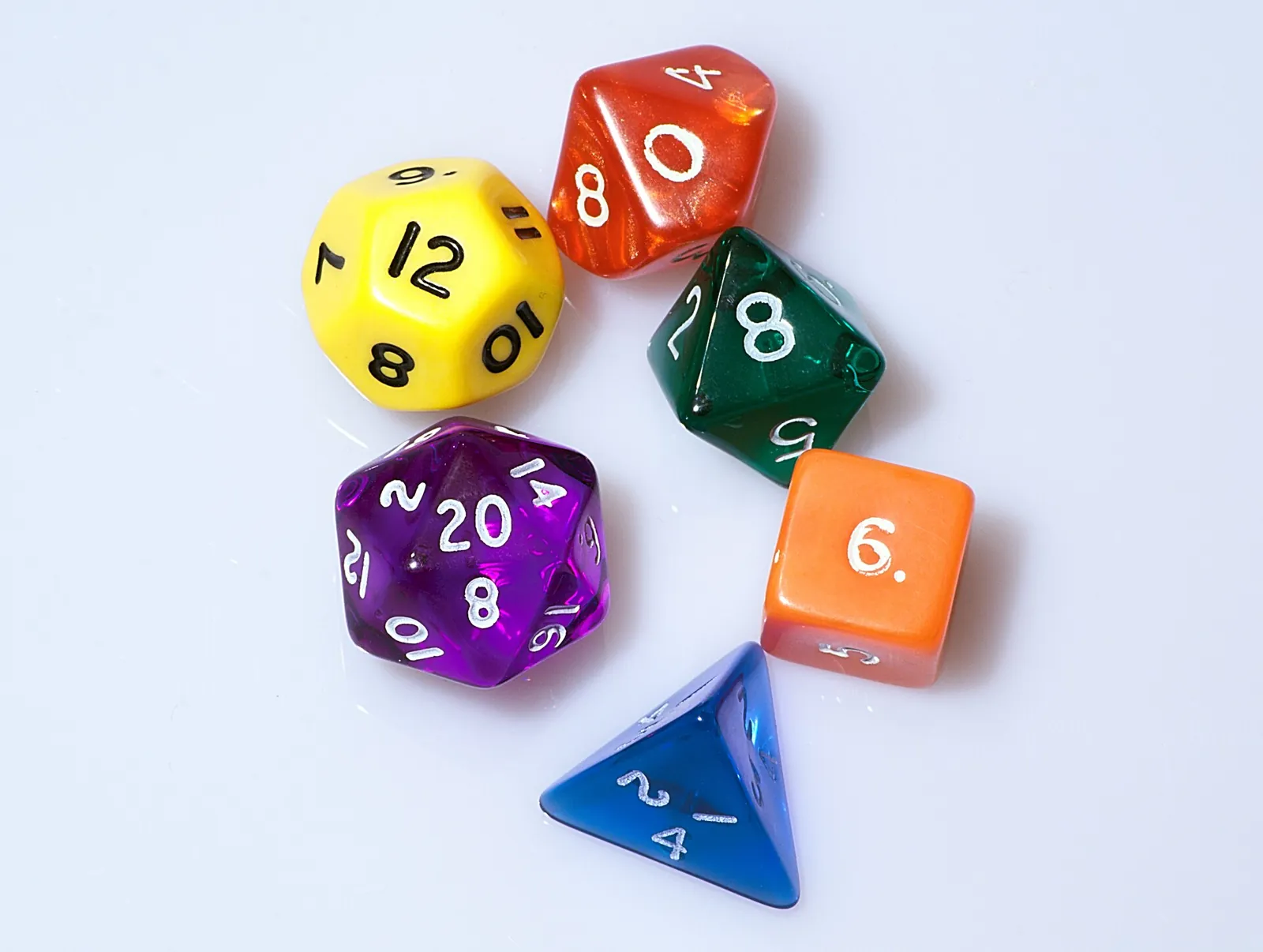
A tabletop role-playing starter set
Why it works: Starter sets include rules, dice and an adventure, so a group of friends can try storytelling games together without buying a full library.
Skip it if: no one in their group wants to run the game.
Platform store credit or a game subscription
Why it works: Credit for their console or PC store lets them choose the game they want. A subscription adds a rotating library and online play.
Skip it if: you would rather control what they buy; a specific game you have checked is better.
How to choose: platform, ratings and spending
- Confirm the platform. Ask a parent, sibling or the teen which console, PC setup or phone they use. Accessories rarely work across systems.
- Read the ESRB rating. The ESRB says T (Teen) content is generally suitable for ages 13 and up, while M (Mature 17+) is for 17 and up. The FTC notes that ratings do not cover user-created content or in-game ads, and updates can change a game after it is rated.
- Look for in-game purchase notes. The ESRB label "In-Game Purchases" means the game offers digital items for real money; "Includes Random Items" flags purchases where players do not know what they will get, such as loot boxes.
- Talk with parents about settings. The FTC explains that parental controls can turn off in-game spending, require a password or set a dollar limit, and can restrict chat to approved friends.
If the teen is a girl who loves games, our guide to gifts for girl gamers adds more ideas for her setup.
Frequently asked questions
What is a good gaming gift for a teenager?
A comfortable headset, an extra controller that matches their console, a mechanical keyboard for PC players or store credit they can spend on a game of their choice.
What does the ESRB T rating mean?
According to the ESRB, T (Teen) content is generally suitable for ages 13 and up and may contain violence, suggestive themes, crude humor, minimal blood, simulated gambling or infrequent strong language.
Is store credit a good gift for a teen gamer?
It lets them choose, which teens appreciate. If you want more control, agree with the parents on spending limits; the FTC notes many platforms let parents cap or block purchases.
How can teens stay safe in online games?
The FTC suggests limiting chat to approved friends, not sharing details like address or school, and treating a stranger who asks to move to another app as a warning sign.
Sources
- Entertainment Software Rating Board (ESRB) — Ratings guide. www.esrb.org
- Federal Trade Commission — Kids and video games. consumer.ftc.gov
Image credits. Top image: Dice (typical role playing game dice) by Diacritica, CC BY-SA 3.0, via Wikimedia Commons
Spotted something out of date or a gift that's no longer available? Tell our editors — we review every correction.