Father's Day gifts preschoolers can make in class
Six teacher-led Father's Day projects for ages 3 to 5, with supply lists, classroom logistics and wording that includes every family.
Quick answer
The best Father's Day gift ideas for preschoolers to make in class take one or two short sessions, cost $1 to $3 per child and come home dry and labeled: a handprint keepsake card, an "all about my grown-up" interview page, a painted rock paperweight, a craft-stick photo frame or a planted pot. Frame the project as a gift for "a special grown-up" so every child in the room can take part.
- Ages 3 – 5, teacher-led in small groups
- Cost About $1 – $3 per child
- Class time 10 – 20 minutes per child, often over two sessions
- Prep 30 – 60 minutes to cut, sort and label for a class
This guide is for preschool teachers, childcare staff and room parents planning Father's Day gift ideas for preschool or childcare groups. Unlike our general list of gifts kids can make for parents, every project here is chosen for a classroom: it works in batches of 15 to 20, survives the trip home in a backpack and leaves room for children whose families do not include a dad at home.
Plan it so every family is included
Some children in any class will not have a father at home, may have lost a parent or may have two moms, a grandpa raising them or an uncle who fills the role. Edutopia notes that a Father's Day celebration can remind some students of a father figure who isn't present in their lives, and suggests framing activities around families and the people who support each child. In practice that means a few small choices:
- Call it a gift for "a special grown-up" or "someone who takes care of me," and let each child choose who it is for.
- Use blank or editable wording on cards and printables ("Happy Father's Day" can be one option among "I love you, Grandpa" or "Thank you, Uncle Ray").
- Send a short note home a week ahead so families can tell you quietly who the gift should be for.
- Offer a second copy for children who want to make one for two people.
- Don't ask the class "What does your daddy do?" as a group activity.
- Don't send a child to a quiet corner while others craft; the project should work for everyone.
Classroom safety and supplies
For a preschool room, buy paints, crayons and markers with a children's non-toxic certification. The Art & Creative Materials Institute recommends its AP (Approved Product) seal for creative products used by children in sixth grade or younger and advises never giving that age group products with its CL (Cautionary Labeling) seal. If your group includes children under 3, keep small loose parts out of the project: the U.S. Consumer Product Safety Commission bans small parts in products intended for under-3s because of choking risk. Hot glue, craft knives and spray sealers are adult-only and best done after the children leave.
- Washable non-toxic tempera or finger paint and foam brushes
- Cardstock in several colors, pre-cut and pre-folded
- Jumbo craft sticks and school glue or tacky glue
- Smooth rocks about palm-size (one per child, plus spares)
- Small plastic or terracotta pots, potting soil and bean or sunflower seeds
- Name labels, a permanent marker for adults and a drying rack or clear floor space
- Paper bags for taking projects home
Six Father's Day projects preschoolers can make in class
1. Handprint keepsake card
Why it works: it is the fastest station to run and the one families keep longest. You'll need: folded cardstock, washable paint, a foam brush, wipes.
- Work with one child at a time at a paint table; others wait at a coloring station.
- Brush a thin coat of paint on the palm and fingers, press onto the card front and lift straight up.
- Once dry, children add stickers or crayon drawings around the print. An adult writes the child's name, age and year inside, plus the greeting the family chose.
2. "All about my grown-up" interview page
Why it works: the answers are funny and honest, and it needs no paint. You'll need: a printed page with five or six questions and space for a drawing.
- Ask each child questions one-on-one and write down their exact words: How old is he? What is his favorite food? What does he like to do with you? What is he really good at?
- Children draw a portrait in the box. Mount the page on colored cardstock or roll it like a scroll with ribbon.
3. Painted rock paperweight
Why it works: it sits on a desk or workbench for years. You'll need: palm-size rocks, washable paint, chunky brushes.
- Children paint their rock in one session; let it dry overnight.
- An adult adds the name and year on the bottom and, if wanted, a clear sealer outdoors after school, following the label.
4. Craft-stick photo frame
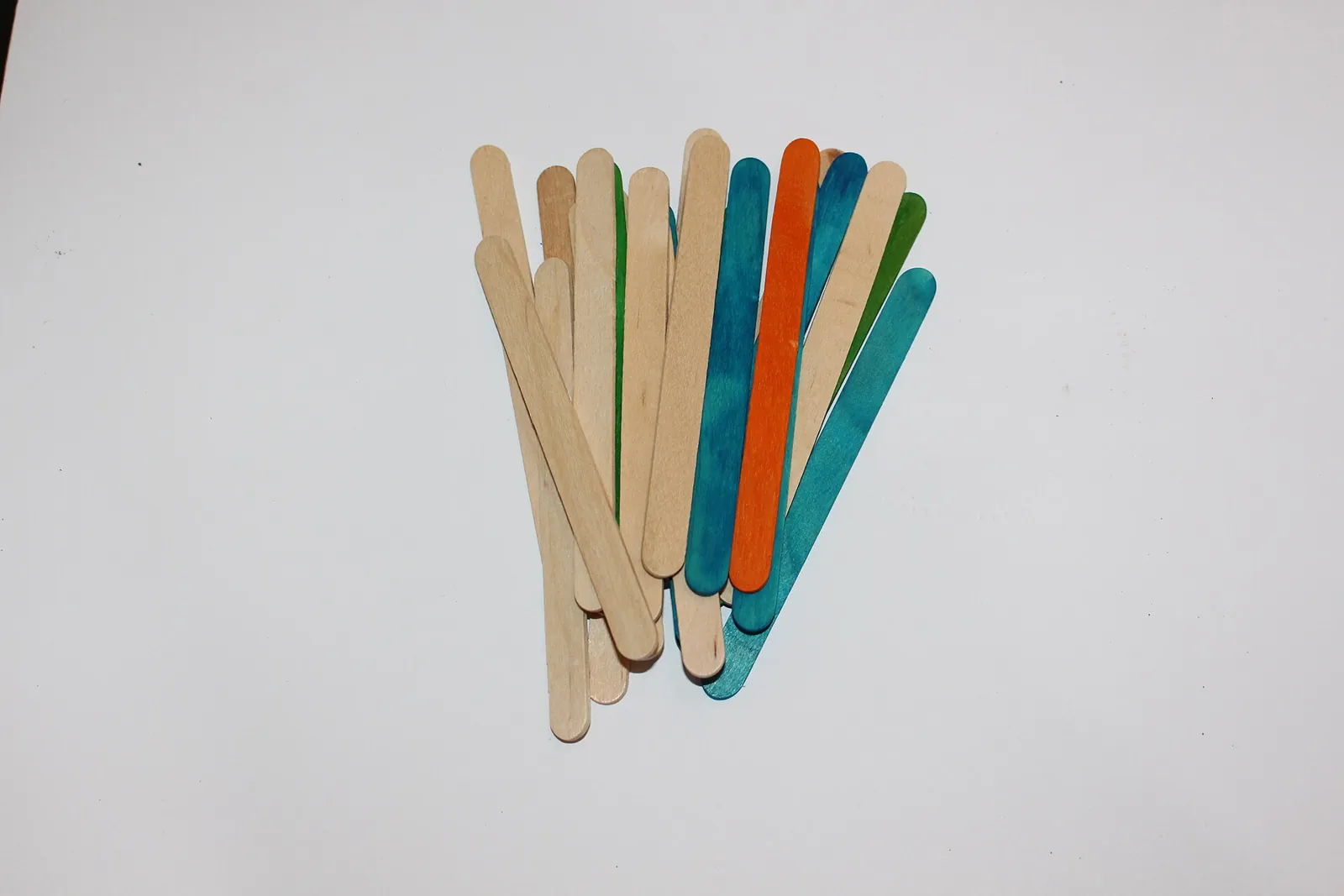
Why it works: families can add a photo of the child with their grown-up. You'll need: eight jumbo craft sticks per child, school glue, paint or markers, a magnet strip.
- Pre-glue the square base before class so children only decorate.
- Children paint or color the frame and add stickers. An adult attaches a magnet strip on the back once dry.
- Send it home with an empty opening or a class photo printed to fit.
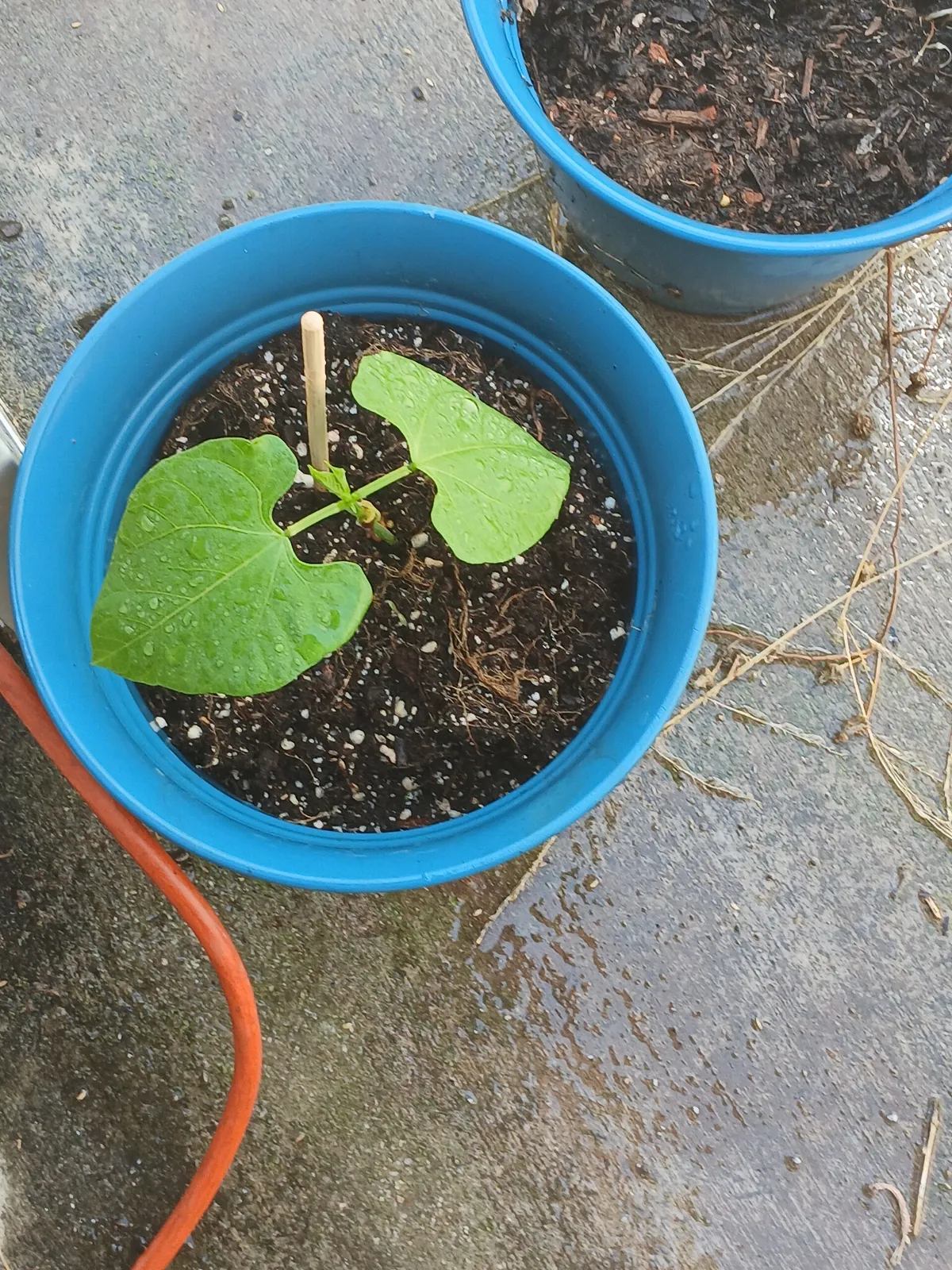
5. Planted pot with a seed
Why it works: it doubles as a science lesson and keeps growing at home. You'll need: small pots, soil, fast-sprouting seeds, paint pens or stickers.
- Children decorate the pot first, then scoop in soil and press two seeds in with a finger.
- Water lightly and keep the pots on a sunny sill. Start about ten days before the holiday so sprouts show.
- Seeds are small; hand them out one at a time and supervise closely.
6. Fingerprint bookmark
Why it works: it is cheap, flat and easy to send home. You'll need: cardstock strips, ink pads or washable paint, a hole punch and ribbon.
- Children press fingerprints along the strip; adults turn them into bugs, hearts or a "family" with a fine marker.
- An adult writes the name and year, laminates the strip after class and ties on a ribbon.
Running the craft day
- Use stations. One adult at the paint table, one at a dry station (stickers, coloring, the interview page). Rotate four or five children at a time.
- Label before, not after. Write each name on the back of every piece before it gets wet. Unlabeled handprints look alike on a drying rack.
- Allow two days. Paint one day, finish and package the next. Thick paint and glue rarely dry in a single session.
- Have a plan for absent children. Keep a few blank kits so they can make one on their return or at home.
- Keep projects flat and dry for the trip home. A decorated paper bag with the child's name doubles as gift wrap.
Tip: Make a sample yourself first. It shows you how long each step really takes and gives children something to look at, but put it away before they start so their versions stay their own.
For projects that parents can do at home, see our DIY Father's Day gifts kids can make, and for more ideas around the holiday, the Father's Day hub. Teachers planning year-end events may also find our preschool graduation gifts useful.
Frequently asked questions
What is the easiest Father's Day craft for a whole preschool class?
A handprint card. It takes a minute or two per child at the paint table, uses supplies most classrooms already have and needs only an adult to add the name and greeting.
How do I handle children who don't have a dad at home?
Present the project as a gift for a special grown-up, let each child choose the recipient and use editable wording. A quiet note to families beforehand helps you get it right without putting a child on the spot.
How much should a classroom Father's Day craft cost?
Most projects here come in around $1 to $3 per child if you buy supplies in bulk, with frames and pots at the higher end.
When should we make the gifts?
Start one to two weeks before the holiday so paint and glue can dry and any planted seeds can sprout. In the US, Father's Day is the third Sunday in June; in Australia it is the first Sunday in September.
Sources
- Edutopia — 6 strategies to support students with non-traditional family structures. edutopia.org
- Art & Creative Materials Institute — Materials safety. acmiart.org
- U.S. Consumer Product Safety Commission — Small parts ban and choking hazard labeling. cpsc.gov
- Office Holidays — Father's Day in the USA. officeholidays.com
- Office Holidays — Father's Day in Australia. officeholidays.com
Image credits. Top image: Coloured and natural craft sticks by Mvolz, CC0 1.0, via Wikimedia Commons · In-article image: Pinto Bean Plant Growth by Datadoggieein, CC0 1.0, via Wikimedia Commons
Spotted something out of date or a gift that's no longer available? Tell our editors — we review every correction.