Tech gifts for seniors that are easy to use
Easy-to-use tech gifts for older parents and grandparents, sorted by the everyday problem each one solves, with honest notes on when to skip it.
We independently research every pick. If you buy through our links we may earn a small commission, at no extra cost to you. Affiliate disclosure.

Quick answer
The best tech gifts for seniors solve one everyday problem with as few buttons as possible: a digital photo frame the family fills remotely, a smart speaker that answers spoken questions, a large-button phone or a tablet set up in advance, or a TV listening device for someone who struggles with dialogue. Most cost $30 to $200. The gift that makes any of them work is your time: set it up before you give it and show them how it works.
- Typical budget $25 – $250
- Best for parents, grandparents and older friends who want to stay connected
- Golden rule Fewer features, bigger text, set up in advance
Good tech gifts for seniors are not about the newest gadget, and the best technology gifts for seniors are rarely the most advanced. They make one thing easier: seeing the grandchildren, hearing the TV, finding the phone, remembering a pill. This guide is for adult children and grandchildren shopping for older parents or grandparents, and it is sorted by what the gift helps with. If you are hunting for something unusual for a grandfather who owns everything, our guide to gifts for grandpa who has everything takes a different angle; for keepsakes and experiences, see gifts for grandparents they will treasure. More gadget ideas live in gifts for tech lovers.
Tech gifts for seniors who want to stay in touch
A Wi-Fi digital photo frame the family can fill remotely
Why it works: Relatives add photos from their own phones through an app or email, and new pictures simply appear. There is nothing for the recipient to learn, which makes it one of the most reliable tech gifts for elderly parents. Preload 50 or so photos before wrapping it.
Skip it if: they have no home Wi-Fi; choose a frame that plays photos from a memory card, and refresh the card when you visit.
A video-calling smart display
Why it works: A tabletop screen with a camera lets family call in without the recipient handling a phone, and it doubles as a photo frame and kitchen timer.
Skip it if: they value privacy or dislike the idea of a camera in the room; look for a model with a physical camera shutter, or pick a photo frame instead.
A simple tablet, set up and ready to use
Why it works: A tablet with a bigger screen than a phone makes video calls, books, news and games easier on the eyes. The value is in the preparation: enlarge the text, remove apps they will not use, put the video-call and photo apps on the first screen and save family contacts.
Skip it if: they have never used a touchscreen and are not keen to learn; a photo frame or smart display gives similar joy with less effort.
Easy phones and smart helpers for daily life
A large-button or senior-friendly phone
Why it works: Mobile phones designed for older adults usually have big keys, loud ringers, a simple menu and often an emergency button that calls chosen contacts. A sturdy home phone with photo speed-dial buttons is a good alternative for someone who stays mostly at home.
Skip it if: they already manage a smartphone well; changing the text size and adding emergency contacts to their current phone is a kinder upgrade.
A smart speaker
Why it works: Voice control helps people with arthritis, low vision or little interest in screens: they can ask for the weather, play an old favorite song, set reminders or call family hands-free.
Skip it if: their hearing makes speaker voices hard to follow, or they are uneasy about a device that listens for a wake word.
A Bluetooth item tracker for keys or a wallet
Why it works: A small tag on the key ring lets a phone ring the keys, or the keys ring the phone, which ends a familiar daily search.
Skip it if: they do not carry a smartphone; a key hook by the door is the low-tech fix.
Hearing and vision helpers
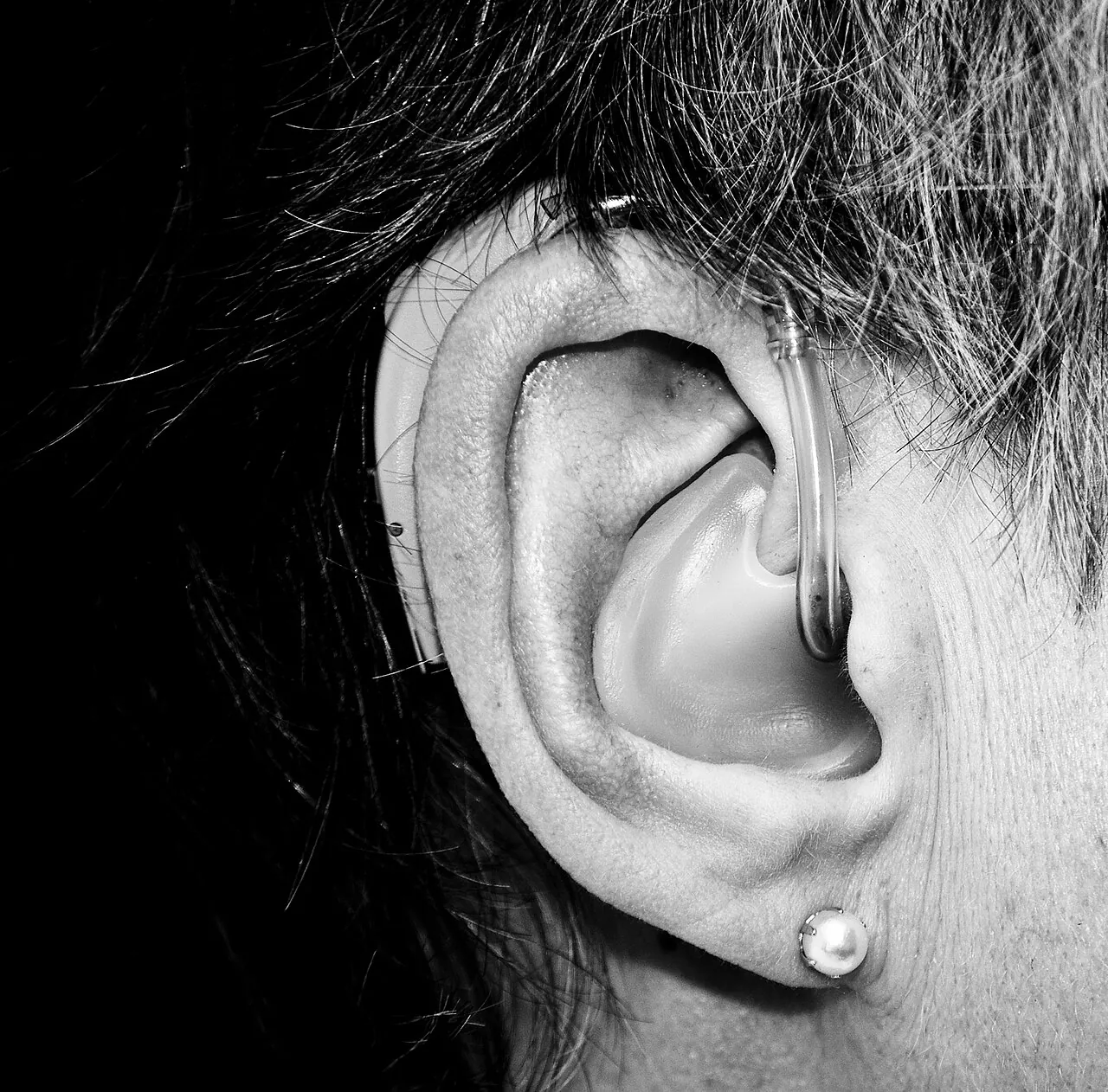
Hearing loss is common later in life. According to the National Institute on Deafness and Other Communication Disorders (NIDCD), about one in three people in the US between 65 and 74 has hearing loss, and nearly half of those older than 75 have difficulty hearing. These gifts help with everyday listening, but they are not a substitute for a hearing check.
A wireless TV listening device
Why it works: Headphones or a small speaker that sits near the chair carry TV sound straight to the listener, so they can turn their own volume up while everyone else keeps the TV at a normal level.
Skip it if: they already wear hearing aids that stream TV audio; ask their audiologist about a compatible streamer instead.
An amplified phone or phone amplifier
Why it works: NIDCD lists phone and cellphone amplifiers among assistive listening devices. An amplified home phone with extra-loud volume, a bright ring indicator and big buttons can make calls with family less tiring.
Skip it if: they mainly use a mobile; check the phone's own hearing and accessibility settings first.
A lighted magnifier or an e-reader with adjustable text
Why it works: A lighted hand or stand magnifier helps with medicine labels, recipes and fine print. An e-reader lets them choose a large font for any book, which is often easier than buying large-print editions.
Skip it if: they have a recent vision change they have not had checked; encourage an eye exam first.
Tip: Since the US Food and Drug Administration created the category in 2022, over-the-counter hearing aids can be bought without a hearing exam by adults with perceived mild to moderate hearing loss, NIDCD notes. They are a personal health purchase, so suggest them gently and let the person choose, rather than wrapping one as a surprise.
Gifts of help, safety and confidence
A setup session and a personal how-to card
Why it works: Spend an afternoon connecting devices, updating software, enlarging text and saving passwords somewhere safe. Then leave a printed, step-by-step card in large type. This is the gift that makes every other one usable.
Skip it if: you cannot be there in person; book a local tech-help service or a library class, and plan a follow-up video call.
A pill reminder or smart pill organizer
Why it works: An organizer with alarms, or a simple reminder on a smart speaker, helps with complicated daily routines. It is practical and does not draw attention to itself.
Skip it if: medications are managed by a caregiver or pharmacy packs already; ask before changing someone's routine.
Pair any new device with a short, friendly talk about scams. The Federal Trade Commission says scammers often pretend to be from a government agency, a utility or a tech company, invent a problem or a prize, pressure people to act immediately and demand payment by gift card, wire transfer, payment app or cryptocurrency. A useful family rule: if a call, text or pop-up asks for money or passwords, hang up and phone a family member first.
How to choose tech gifts for older parents
- Start with the problem, not the gadget. Ask what annoys them: missing calls, a quiet TV, tiny text, lost keys. One fix that gets used beats three that sit in a drawer.
- Check the basics. Do they have reliable Wi-Fi, a smartphone, an email address? Many smart devices need all three to set up.
- Match the controls to their hands and eyes. Large buttons, high-contrast screens and voice control matter more than specs.
- Do the setup yourself. Charge, update, sign in and test before wrapping. Write down how to reach you for help.
If the gift is for a birthday or a holiday, add a handwritten note explaining what it does and why you chose it. Our tech gifts for teens guide can help when grandchildren want to give something together, perhaps with a teen offering to be the family's tech helper.
Frequently asked questions
What is the best tech gift for an elderly parent who is not tech-savvy?
A Wi-Fi photo frame that family members fill remotely is hard to beat: once it is connected, there is nothing to learn. A smart speaker is a close second for someone comfortable talking to a device.
Should I buy hearing aids as a gift?
Usually not as a surprise. Over-the-counter hearing aids are meant for adults with perceived mild to moderate hearing loss, and NIDCD advises seeing a hearing health professional if they do not help. Offer to go with them to a hearing check, or give a TV listening device instead.
Are smart speakers good for seniors living alone?
They can be, for reminders, music, weather and hands-free calls to family. Set them up, add contacts and review the privacy settings together.
How do I help an older relative avoid scams on a new device?
Share the FTC's warning signs: unexpected contact, a problem or prize, pressure to act fast and requests for gift cards, wire transfers, payment apps or crypto. Agree that they will call you before paying anyone.
Sources
- National Institute on Deafness and Other Communication Disorders — Age-related hearing loss (presbycusis). www.nidcd.nih.gov
- National Institute on Deafness and Other Communication Disorders — Hearing aids. www.nidcd.nih.gov
- Federal Trade Commission — How to avoid a scam. consumer.ftc.gov
Image credits. Top image: Aesthetic Picture Frame (154902183) by Ed Schipul from Houston, TX, US, CC BY-SA 2.0, via Wikimedia Commons · In-article image: Behind-the-Ear Hearing Aid grayscale photo by Steve Johnson, CC BY 2.0, via Wikimedia Commons
Spotted something out of date or a gift that's no longer available? Tell our editors — we review every correction.