Gifts for vegetable gardeners and home growers
Useful gifts for people who grow their own food, from soil tests and seed-starting lights to raised beds and harvest preserving kits.
We independently research every pick. If you buy through our links we may earn a small commission, at no extra cost to you. Affiliate disclosure.
Quick answer
The best gifts for vegetable gardeners help with the parts of the season that are hardest: knowing the soil, starting seeds, building beds and dealing with a big harvest. A lab soil test, a seed-starting light, a cedar raised bed or a preserving kit all get used for years. For smaller budgets, a sturdy hand tool, a seed storage kit or a garden journal costs under $40.
- Typical budget $15 – $250
- Best time to give winter, before seed starting
- Works for new and experienced growers, allotment and backyard gardeners
- Best rule Ask what stopped them last season
Gifts for vegetable gardeners should earn their place in a shed that is probably already full. This guide follows the growing year, from planning and seed starting through building, planting and harvest, and it leans on advice from university extension services where practical details matter. If you are only buying seeds, our guide to seed gift ideas covers packets, kits and seed bombs in depth; for flower and ornamental gardeners, see gardening gifts for women or the full gifts for gardeners collection.
For planning and seed starting
A lab soil test, paid for
Why it works: A routine lab soil test reports soil pH and nutrients such as phosphorus, potassium, magnesium and calcium, which tells a grower what the beds actually need instead of guessing with fertilizer. University of Illinois Extension suggests testing about every three years. Include a sample bag and the address of a state or university lab.
Skip it if: they already test regularly; a bag of good compost or a load of mulch delivered is more welcome.
A seed storage kit
Why it works: Leftover seed keeps best dry and cool. Iowa State University Extension recommends a sealed glass jar in a cool, dry place such as a closet, root cellar or refrigerator. A few jars, silica gel packs, labels and a marker make a tidy, useful gift.
Skip it if: they buy fresh seed every year and save nothing; a seed collection is the better choice.
A collection of seeds for one crop they love
Why it works: Five varieties of tomato, pepper or bean let a grower compare flavors side by side. Choose open-pollinated varieties if they like to save their own seed.
Skip it if: you do not know their climate or space; ask, or choose easy, fast crops such as salad greens and radishes.
A seed-starting shelf with grow lights
Why it works: Starting tomatoes, peppers and brassicas indoors gives a head start in short seasons. A small shelf with adjustable lights, trays and a humidity dome turns a corner of the basement into a nursery.
Skip it if: they live somewhere with a long, warm season and sow directly outside.
For building and planting
A cedar raised bed kit
Why it works: Raised beds warm up early and are easier on the back. Utah State University Extension suggests beds 3 to 4 feet wide so they can be reached from both sides, and at least 6 to 12 inches deep for the roots of most vegetables. Cedar is naturally rot resistant.
Skip it if: they rent and cannot build; large fabric grow bags move with them.
Hand tools that last
Why it works: A stainless steel trowel, a Japanese-style digging knife or a sharp pair of bypass pruners with a lifetime of use in them. Good tools are the classic gardener gift because they are used almost every day of the season.
Skip it if: they are very particular about tools; ask which one they would replace first.
A drip irrigation or soaker hose kit
Why it works: Watering at the soil level saves time on summer evenings and keeps leaves dry. A starter kit with a timer is especially welcome for gardeners who travel in July.
Skip it if: their garden is a few containers on a balcony; a long-spout watering can is enough.
For the harvest and the kitchen
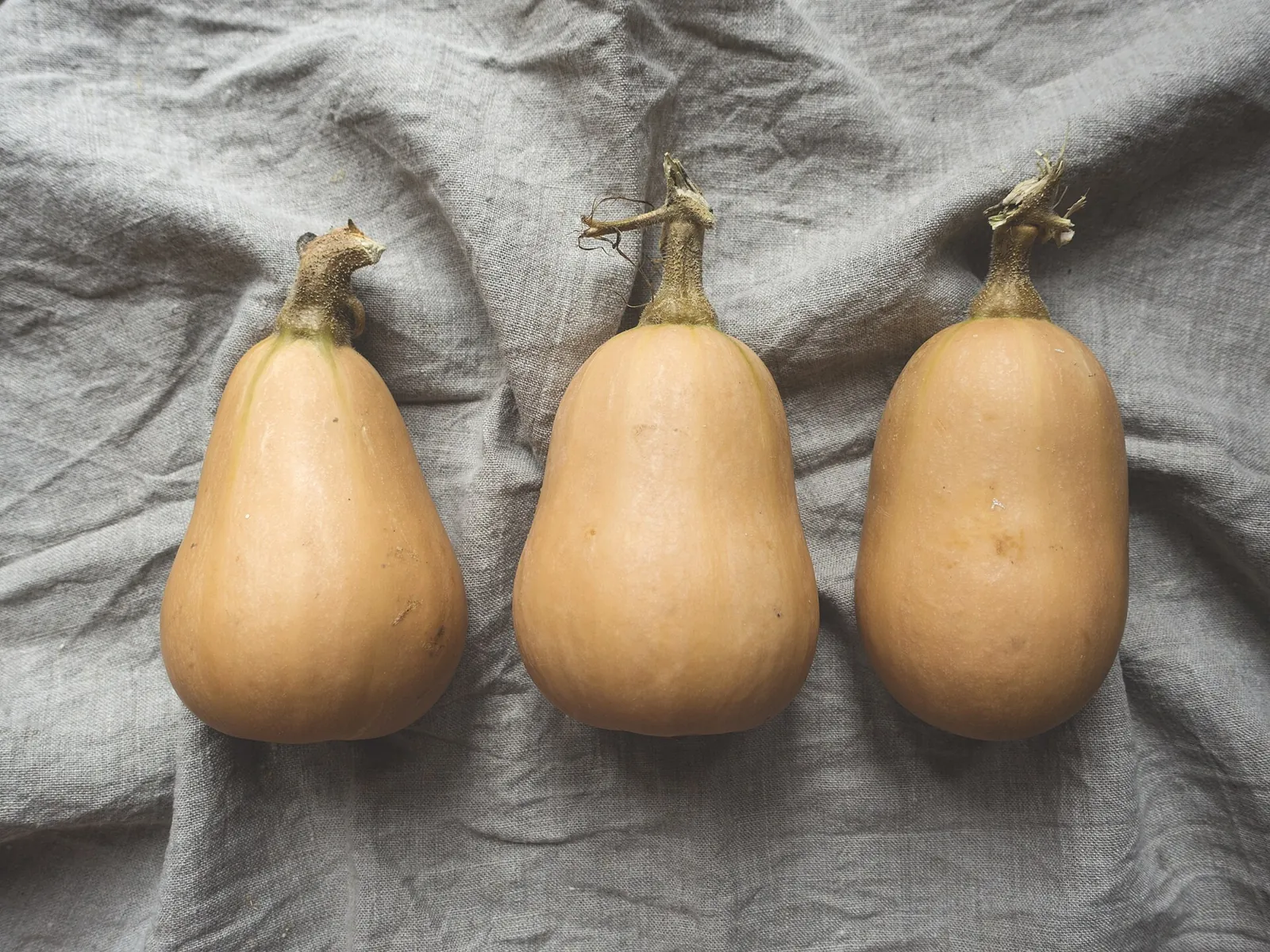
A harvest trug or garden basket
Why it works: A shallow basket or flexible trug carries zucchini, beans and greens from bed to kitchen and rinses clean. It is a small luxury most growers do not buy for themselves.
Skip it if: they already have a favorite; a set of produce storage bags is more useful.
A preserving starter kit
Why it works: Gardeners with a glut of tomatoes or cucumbers can turn summer into jars. Pair jars, lids, a funnel and a jar lifter with a tested canning guide from a reputable source, because safe home canning depends on following tested recipes.
Skip it if: they have little storage space; a freezer-friendly set of containers or a vacuum sealer may fit better.
A food dehydrator
Why it works: Dried tomatoes, herbs, apples and peppers keep for months in a cupboard and make good gifts in turn. A model with an adjustable thermostat and several trays handles most harvests.
Skip it if: their kitchen counters are already crowded; a hanging herb-drying rack does part of the job.
For learning and record-keeping
A gardening class or workshop
Why it works: Pruning, composting, seed saving and season extension are all skills that improve a harvest. Many county extension offices, botanic gardens and community gardens run affordable sessions, and some are free.
Skip it if: they are the person who teaches these classes; offer to pay for a conference or a garden visit instead.
A garden journal or planner
Why it works: A notebook for sowing dates, varieties, yields and what failed turns one season into lessons for the next. Choose one with grid pages for bed plans.
Skip it if: they track everything in a spreadsheet or app; a laminated planting calendar for the shed wall is more useful.
How to choose gifts for vegetable gardeners
- Ask about last season. The most useful gifts for vegetable growers fix a real problem, and slugs, drought, a sore back or too many tomatoes each point to a different gift.
- Check their space. A balcony grower and an allotment holder need different tools and quantities.
- Time it well. Winter gifts that help with planning and seed starting are used right away; summer gifts should help with watering and harvest.
- Avoid gimmicks. Novelty gadgets rarely survive a muddy season; simple, sturdy tools do.
Shopping for someone who already owns every tool? See gifts for gardeners who have everything, and if the grower is also the family cook, browse our gifts for home cooks.
Frequently asked questions
What are good Christmas gifts for vegetable gardeners?
Winter is planning season, so a seed collection, a seed-starting light, a soil test, a garden journal or a class booked for early spring are all used soon after the holidays.
What do you get a gardener who grows their own food?
Something that helps at a weak point in their year: a raised bed or tools for building, drip irrigation for summer, or a preserving kit or dehydrator for the harvest.
Are seeds a good gift for veggie gardeners?
Yes, if they suit the grower’s climate and taste. Choose a theme, such as heirloom tomatoes or salad greens, and add a seed storage jar so leftovers keep.
How often should a vegetable garden soil be tested?
Advice varies by state. University of Illinois Extension suggests about every three years; your local extension office can recommend a lab and timing.
Sources
- University of Illinois Extension — Soil testing. extension.illinois.edu
- Iowa State University Extension and Outreach — How to store seeds and test germination rates. yardandgarden.extension.iastate.edu
- Utah State University Extension — Raised bed gardening. extension.usu.edu
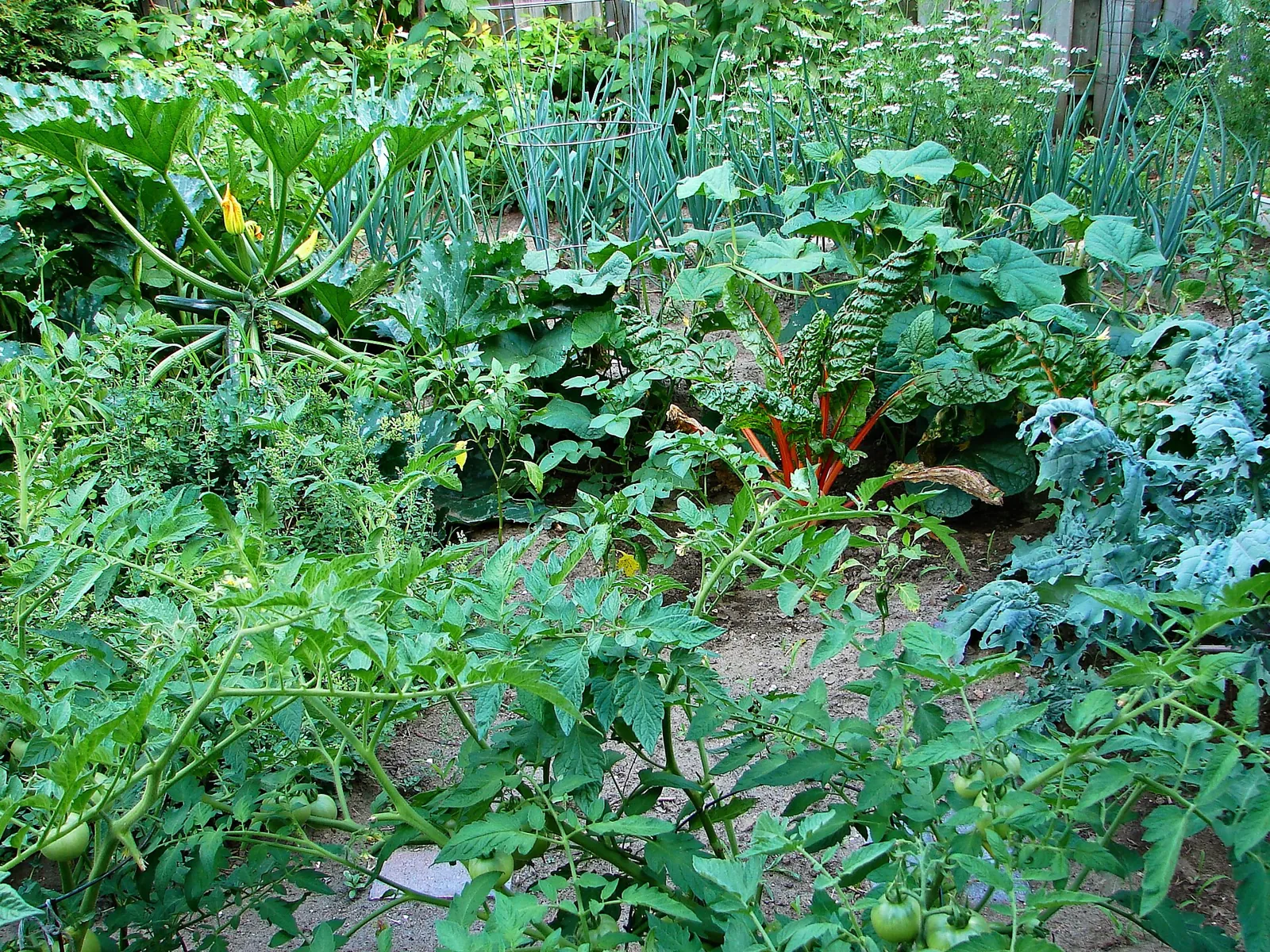
Image credits. Top image: Vegetable garden 1 by P199, CC BY-SA 3.0, via Wikimedia Commons · In-article image: Vegetable Garden Harvest (Unsplash) by Gemma Evans stayandroam, CC0 1.0, via Wikimedia Commons
Spotted something out of date or a gift that's no longer available? Tell our editors — we review every correction.