Gifts for musicians that get used at every practice
Gift ideas for guitarists, drummers, wind players and singers, from essentials they use up to hearing protection, recording gear and lessons.
We independently research every pick. If you buy through our links we may earn a small commission, at no extra cost to you. Affiliate disclosure.
Quick answer
Good gifts for musicians are the practical things every player uses up or upgrades: strings, reeds or sticks they already buy, a clip-on tuner, a sturdy stand, a padded gig bag, musician's earplugs, good headphones for practice, or lessons and studio time. Instruments themselves are very personal, so give one only to a beginner or when they have named the exact model.
- Typical budget $15 – $250
- Ask first Which instrument, and which strings, reeds or sticks they use
- Safe bet Musician's earplugs or a tuner
- Avoid Choosing an instrument for an experienced player
Know the instrument and the player
A guitarist, a drummer, a clarinetist and a singer need almost nothing in common, and even two guitarists may use different string gauges and picks. The more specific a gift is, the more you need to know. Consumables such as strings and reeds are only useful in the exact brand and size they play, so check the packaging in their case or ask a bandmate.
Their stage of life matters too. A student may need a metronome and a good stand, a gigging musician wants reliable cables and cases, and a home player might love recording gear. Our gifts for music lovers hub covers listeners as well as players.
Everyday essentials
Strings, reeds or drumsticks they already use
Why it works: Players go through these constantly, and a multi-pack in their exact brand and gauge or strength is a gift they will use with certainty.
Skip it if: You cannot find out their exact type. A wrong gauge or reed strength is not much use.
A clip-on tuner
Why it works: A clip-on tuner reads vibration through the instrument, so it works in noisy rooms and on stage. Most players like a spare in each case.
Skip it if: They play piano or drums, or use a tuner built into their pedalboard.
A sturdy instrument or music stand
Why it works: A folding music stand for practice, or a stand that keeps a guitar or wind instrument safe and ready to play, gets used every day.
Skip it if: Space is tight at home. Wall hangers may suit better.
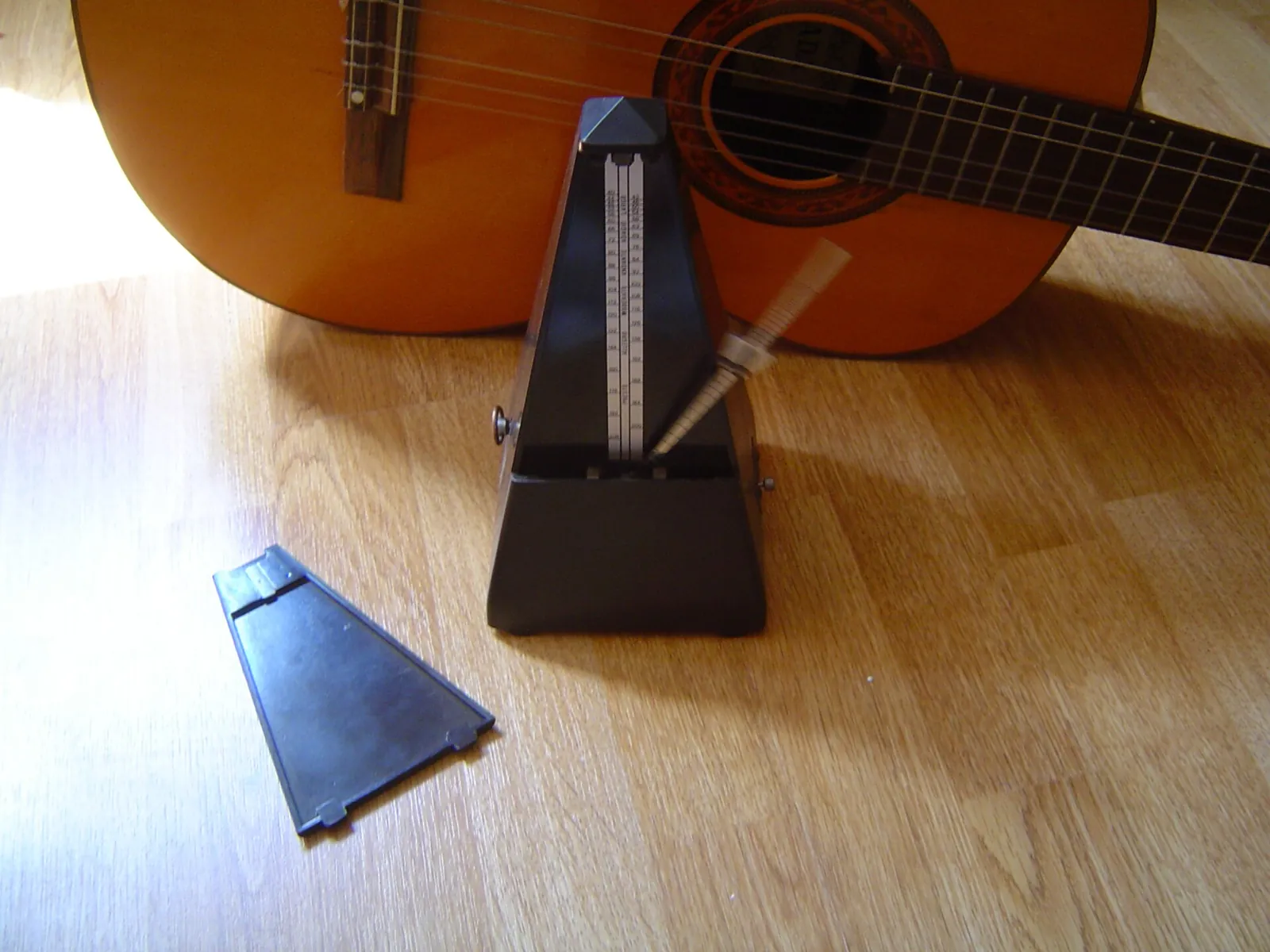
A metronome or practice app subscription
Why it works: Steady tempo practice is a core habit for most musicians. A small metronome or a year of a practice app is useful at every level.
Skip it if: They already rely on a free app they like.
Protect their gear and their hearing
Musician's earplugs
Why it works: Musician's earplugs are designed to reduce volume more evenly across frequencies than foam plugs, so music sounds natural at a lower level. Custom-molded versions from an audiologist cost more but fit better.
Skip it if: They only practice quietly at home. Foam plugs are fine for occasional loud concerts.
A padded gig bag or hard case
Why it works: A good case protects an instrument when traveling to lessons, rehearsals and gigs. Padding, backpack straps and storage pockets make a big difference.
Skip it if: You cannot confirm the exact instrument size. Cases must fit properly.
A care and cleaning kit
Why it works: String cleaners, polishing cloths, valve oil, cork grease or a swab kit, depending on the instrument, help keep it playing well.
Skip it if: You do not know which instrument. Care kits are specific.
Quality cables or a pedal power supply
Why it works: For electric players, reliable cables and a clean power supply reduce noise and failures on stage.
Skip it if: They play acoustic instruments only.
Practice, recording and learning
Closed-back studio headphones
Why it works: Closed-back headphones keep sound in, so they are useful for practicing with digital pianos and electronic drum kits and for recording at home.
Skip it if: They already own a studio pair they like.
A USB audio interface or mic
Why it works: A simple audio interface or USB microphone lets them record song ideas and demos at home on a computer.
Skip it if: They are not interested in recording, or already have a home studio.
Lessons or a masterclass
Why it works: A few lessons with a local teacher, or an online course on a style they want to learn, helps any player progress. Lessons are a good gift at every level.
Skip it if: They are a professional or a teacher themselves. Studio time might suit better.
Studio rehearsal or recording time
Why it works: A few hours in a rehearsal room or a local recording studio is a memorable experience gift for a band or a songwriter.
Skip it if: They have no project ready to record.
How to choose a gift for a musician
- Look in their case. Note the string set, reed strength or stick size before you buy.
- Protect their ears. Earplugs are inexpensive and can make a real difference to anyone who plays loud music often.
- Think experiences. Concert tickets, a workshop or studio time can mean more than gear. See our experience gift ideas.
- Keep the receipt. Musicians often swap gear for a slightly different model.
If they also collect records, see gifts for vinyl collectors, and for home studio tech under budget, see tech gifts under $50.
Frequently asked questions
What do you get a musician who has everything?
Consumables in their exact brand, such as strings or reeds, musician's earplugs, a high-quality case, lessons with a respected teacher or a few hours of studio time.
Should I buy a musician an instrument?
Only for a beginner, or when they have told you the exact model. Experienced players choose instruments by feel and sound.
What is a good gift for a guitarist under $25?
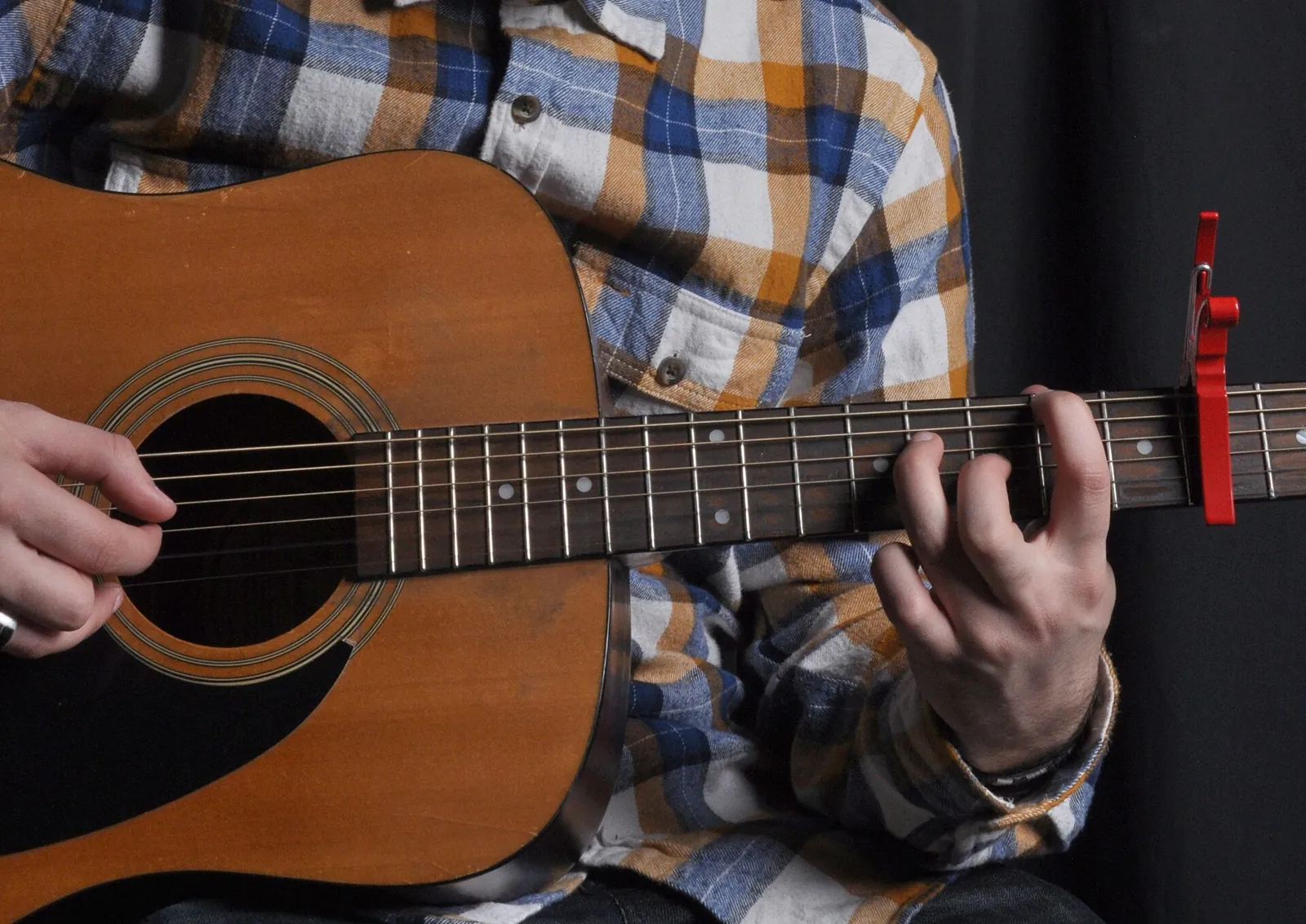
A set of their usual strings, a clip-on tuner, a capo, a pick tin, a strap or a string winder all fit under $25.
Are musician's earplugs worth it?
For people who play or listen to loud music regularly, yes. They lower volume while keeping sound more natural than standard foam plugs.
Sources
- Hearing Health Matters (Marshall Chasin, 2015) — Musicians' earplugs have flat attenuation. hearinghealthmatters.org
Image credits. Top image: Trigger style capo by Connormah, CC BY-SA 3.0, via Wikimedia Commons · In-article image: Metronome 1 by Gordon Joly, CC BY-SA 1.0, via Wikimedia Commons
Spotted something out of date or a gift that's no longer available? Tell our editors — we review every correction.