Yemeni gift etiquette: hospitality, honey and Eid traditions
Hospitality reflects family pride in Yemeni culture. Here is what to bring a Yemeni host, what to avoid, and how gifts and visits work at Eid.
We independently research every pick. If you buy through our links we may earn a small commission, at no extra cost to you. Affiliate disclosure.
Quick answer
For a Yemeni host or friend, choose a modest, tasteful gift: quality sweets, nuts, dates or dried fruit are always appropriate, and good honey is especially valued. Give and receive with your right hand, avoid alcohol and pork, and keep the gift low-key so it doesn't create a sense of obligation. At Eid, visits to relatives are central, and children and women traditionally receive small gifts of money called 'asb.
- Safe host gift Sweets, nuts, dates, dried fruit, honey
- Typical budget $15 – $50
- Giving Right hand
- Main gift season Eid al-Fitr and Eid al-Adha
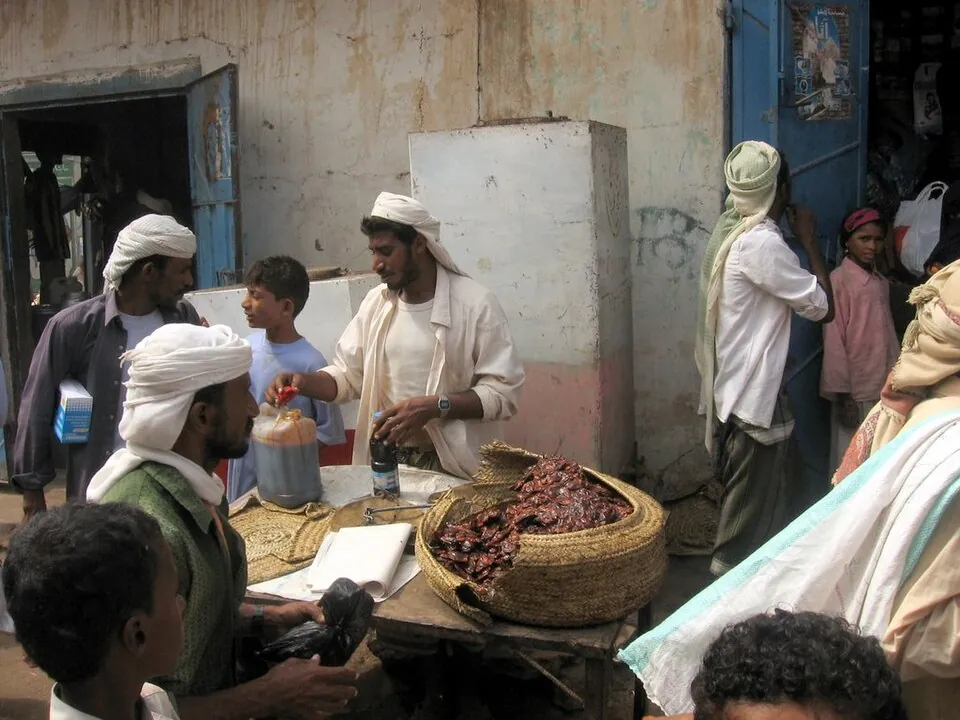
Yemeni hospitality is warm, unhurried and closely tied to a family's reputation and social standing. Islam is the state religion, and religious awareness shapes daily life, from Friday prayers to the rhythm of Ramadan. Respect for elders is taught from childhood. Many people encounter these customs through Yemeni neighbors, coworkers or in-laws living abroad, where the same traditions around food, visiting and Eid are often kept.
What to give
For a host
Food gifts are the natural choice. Keep the gift tasteful and not too expensive; the point is to honor the relationship.
A jar of high-quality honey
Why it works: Yemeni honey is highly valued and carries real prestige, so a fine honey shows thought and respect.
Skip it if: You can only find ordinary supermarket honey; a box of sweets is better than a gift that feels generic.
Quality sweets, dates or a tin of nuts and dried fruit
Why it works: These are the classic visiting gifts and are easy to share with family and guests.
Skip it if: Ingredients include alcohol or gelatin of unknown origin.
Something small for the children
Why it works: Children are at the center of Yemeni holiday visits, and a small treat or book for them is warmly received.
Skip it if: It is noisy, flashy or expensive; keep it modest.
For friends, coworkers and in-laws
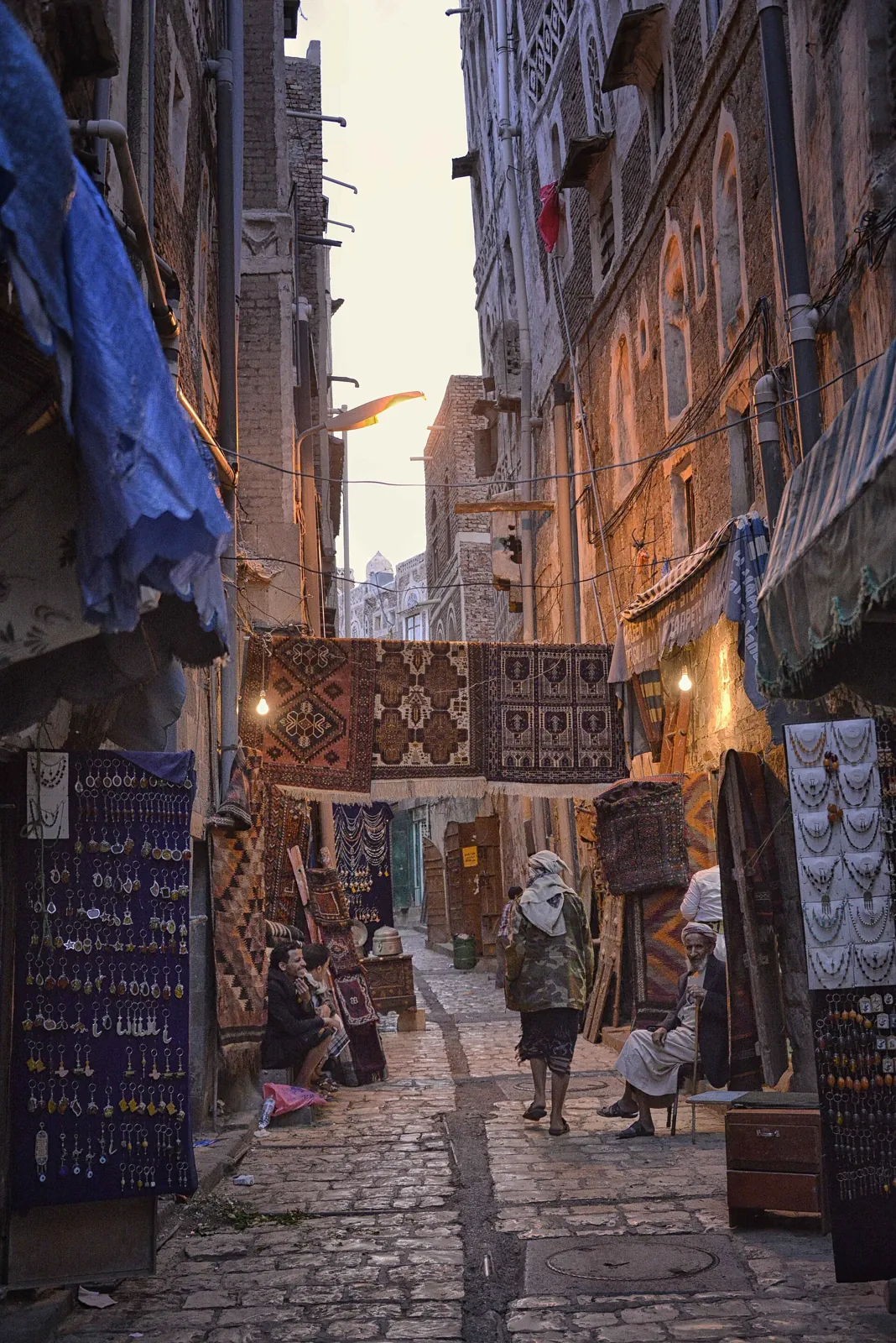
For a Yemeni coworker, a box of good sweets for the office or a quality item from your home country is a safe choice. For in-laws, put thought into quality rather than price, and remember the family as a whole. Gifts between a man and an unrelated woman are better avoided or given to the family. See our food gifts guide for more ideas.
What to avoid
- Alcohol. Avoid it unless you are certain it is acceptable; for most Yemeni households it is not.
- Pork products. Pork is not eaten, as it is prohibited under Islamic law.
- Expensive or showy gifts. A gift should support the relationship, not create pressure or obligation.
- Your left hand. Give, receive and eat with your right hand.
- Immodest items. Clothing or images that conflict with conservative dress norms are best avoided, especially in rural or conservative families.
How to give and receive
- Use your right hand when giving or receiving gifts, food and drink.
- Accept hospitality when you can, and thank your host warmly.
- Don't rush away. Leaving abruptly can make your host feel rejected.
- Greet senior people first, and greet warmly and without hurry.
- Let a woman offer her hand first if you are a man; many Yemenis avoid physical contact with the opposite sex.
- Dress and behave modestly, and respect seating arrangements.
- Decline gently if you must refuse something.
In many homes, afternoon gatherings take place in the mafraj, a sitting room used for conversation and socializing. Qat chewing is a long-standing social institution in Yemen, and also a source of real economic concern; if you are present at such a gathering, observe respectfully rather than judge, and you don't need to take part.
Holidays and occasions
Ramadan
Ramadan changes daily rhythms and working hours, with families gathering for iftar to break the fast each evening. Its dates follow the Islamic lunar calendar and shift every year. Dates or sweets are a fitting gift if you are invited to an iftar.
Eid al-Fitr and Eid al-Adha
Both Eids are major festivals, with dates that vary each year. Families make reciprocal visits, and male relatives traditionally give 'asb, money or small gifts, to women and children as a sign of congratulations and blessings. In some areas the custom is called 'awada or eidiyah. Many women use the money they receive for clothes, gold or household needs. If you are close to a Yemeni family, a small cash gift for the children or a box of sweets for the household is a warm Eid gesture.
Weddings and family occasions
Weddings and births are major family events with customs that vary by region. Ask a Yemeni friend what is appropriate before choosing a wedding gift.
If you are considering travel to Yemen, check your government's current travel advice first.
Business gifting
Yemeni business etiquette is warm, modest, status-aware and built on hospitality. Personal credibility and trusted introductions often matter more than paperwork. Gifts typically become appropriate once a relationship develops; good sweets, dates or a quality item from your company or country are suitable. Keep the value modest, give with your right hand, and follow your company's gift policy and the anti-bribery and trade rules that apply to you. Our business gifts guide has more general advice.
Frequently asked questions
What should I bring to a Yemeni home?
Quality sweets, nuts, dates, dried fruit or good honey. Keep it modest and skip alcohol and pork.
What is 'asb?
The Eid custom of male relatives giving money or small gifts to women and children during holiday visits, as a sign of congratulations and blessing.
Why is honey a good gift for Yemenis?
Yemeni honey is highly prized and associated with prestige, so a quality honey is a respectful, meaningful gift.
Should I give a gift with my left hand?
No. Use your right hand for giving, receiving and eating.
See nearby customs in our Oman and Saudi Arabia guides, or browse all countries.
Sources
- Commisceo Global — Yemen country guide. commisceo-global.com
- Fanack — Eid al-Adha: special rituals and traditions. fanack.com
- WorldAtlas — The culture of Yemen. worldatlas.com
Image credits. Top image: Bayt al-Faqih 200612 Yemen-160 (354273518) by Franco Pecchio from Milano, Italy, CC BY 2.0, via Wikimedia Commons · In-article image: Old Sanaa, Yemen (10035455156) by Rod Waddington from Kergunyah, Australia, CC BY-SA 2.0, via Wikimedia Commons
Spotted something out of date or a gift that's no longer available? Tell our editors — we review every correction.