Gift Etiquette in Nicaragua: La Gritería, Christmas and Hosts
Nicaragua's best-known gift tradition happens on December 7, when altar hosts hand out sweets to visitors. Here is what to bring, what to avoid and how gifting works.
We independently research every pick. If you buy through our links we may earn a small commission, at no extra cost to you. Affiliate disclosure.
Quick answer
Nicaraguan hospitality runs on courtesy, food and coffee, and a modest gift to share is the right note when you visit a home. The country's most distinctive gift custom is La Gritería on December 7, when households with altars to the Virgin Mary hand out gorras, small bags of sweets and gifts, to visitors. Christmas Eve is the main family celebration, with a big meal and gifts exchanged before midnight fireworks. In business, keep gifts modest and transparent.
- Host gift Dessert, sweets, a specialty from home
- Signature custom Gorras at La Gritería (December 7)
- Big family night Christmas Eve
- Mother's Day May 30
What to give
Commisceo Global notes that hospitality and everyday courtesy matter in Nicaragua, that polite interest in people's lives is appreciated, and that relationships grow through shared time. It also mentions ipegüe, the small extra a vendor adds to a purchase, as an everyday expression of generosity. Gifts work the same way: small, warm and generous in spirit.
For a host
Bring a dessert, pastries, good chocolates or a specialty from your home region. Nicaraguan tables feature dishes such as gallo pinto (rice and beans), nacatamal and quesillo, so something sweet to share rarely duplicates the meal. Coffee is central to social visits, and local rum may appear at gatherings.
For friends, in-laws and family
Most Nicaraguans are Catholic, and religious feasts, especially La Purísima and each town's patron saint fiesta, shape the social year. For in-laws, a personal gift from your home country or a quality food item is a good choice; for children, small toys or sweets fit the spirit of La Gritería and Christmas.
A dessert or pastries
Why it works: Easy to share at a family table built around savory staples.
Skip it if: your host has asked you to bring something specific.
A specialty from your home country
Why it works: A personal, modest gift that starts conversation.
Skip it if: it's lavish enough to create a sense of obligation.
Bags of sweets for La Gritería
Why it works: If you're helping a host family with their altar, contributing sweets or small items for the gorras is a welcome gesture.
Skip it if: the family has organized everything; ask first.
Flowers or a personal gift for Mother's Day
Why it works: May 30 is a national holiday honoring mothers, and flowers and gifts are traditional.
Skip it if: you're thinking of the US date; Nicaragua's is May 30.
What to avoid
- Gifts that look like influence. Business goodwill should stay modest, transparent and appropriate.
- Rushing. Skipping greetings or going straight to the agenda is considered abrupt; let your host set the pace.
- Interrupting or openly challenging senior people. Respect for seniority is expected.
- Treating religious feasts as tourist spectacles. La Purísima is a devotional celebration; join respectfully if invited.
How to give and receive
- Greet properly. Shake hands in formal settings and greet people before starting any business or handing over a gift.
- Start formal. Become more relaxed only when invited to. Many Nicaraguans use vos rather than tú in informal speech.
- Accept hospitality. Meals, coffee and conversation build trust; accept what you're offered warmly.
- Answer the call at La Gritería. If you visit altars on December 7, the host calls out "¿Quién causa tanta alegría?" ("Who causes so much joy?") and visitors reply "¡La Concepción de María!" before receiving their gorra.
- Wrap simply. See our gift wrapping ideas.
Holidays and occasions
La Purísima and La Gritería (December 7–8)
This devotion to the Immaculate Conception is Nicaragua's most important religious festival. Its Gritería tradition is usually traced to León in 1857. Many households set up altars to the Virgin Mary, and on the evening of December 7 groups of neighbors walk from altar to altar, singing, shouting the traditional call and response and receiving small gifts from each host, while fireworks go off across town. December 8 is quieter, often with an invitation-only family meal. Nicaraguan communities abroad also celebrate it.
Christmas Eve (December 24)
Christmas Eve is celebrated more than Christmas Day. Families and friends gather for a large meal, exchange gifts and stay up until midnight amid fireworks. If you're invited, a dessert or small wrapped gifts for the children are a good contribution; see our Christmas guides.
Mother's Day (May 30)
Nicaragua honors mothers on May 30, a national holiday. Flowers, a family meal and personal gifts are typical; see our Mother's Day ideas.
Patron saint fiestas
Each city has its own patron saint, and fiestas often begin with a procession followed by eating, drinking and dancing. Managua's Santo Domingo festival runs from August 1 to 10. Devotees traditionally make offerings to saints in return for favors received, which is the main gift giving associated with these feasts.
Business gifting
Business in Nicaragua is relationship-based. Greet people properly, use a handshake and let your host guide the rhythm of the meeting. Formal dress is safer in Managua for first meetings, though a neat guayabera may be acceptable in some settings. Gifts are optional; if you give one, keep it modest, such as a quality item from your home country or company.
Commisceo Global advises that gifts and favors be handled carefully and that anything resembling improper influence be avoided. Anti-bribery laws in Nicaragua and in your home country may apply to gifts and hospitality, especially with public officials. Our business gifts section has general guidance.
Frequently asked questions
What is a gorra at La Gritería?
A small gift, usually a bag of sweets and sometimes other small items, handed out by altar hosts to visitors on the evening of December 7.
What should I bring to a Nicaraguan home?
A dessert, pastries, chocolates or a specialty from your home country. Accept the coffee or food you're offered.
When do Nicaraguans exchange Christmas gifts?
Usually on Christmas Eve, during the family gathering that lasts until midnight.
When is Mother's Day in Nicaragua?
May 30, a national holiday.
Are business gifts expected in Nicaragua?
No. If you give one, keep it modest and transparent.
Exploring Central America? See our guides to Honduras, Costa Rica and Guatemala, or browse all country guides.
Sources
- Commisceo Global — Nicaragua Business Culture Guide. commisceo-global.com
- Countries and Their Cultures — Culture of Nicaragua. everyculture.com
- Voz de América — Nicaragua celebró su fiesta religiosa más importante, La Gritería. vozdeamerica.com
- CEPAD — Nicaraguan Holiday Traditions. cepadnica.org
- Wikipedia — Mother's Day (dates by country). en.wikipedia.org
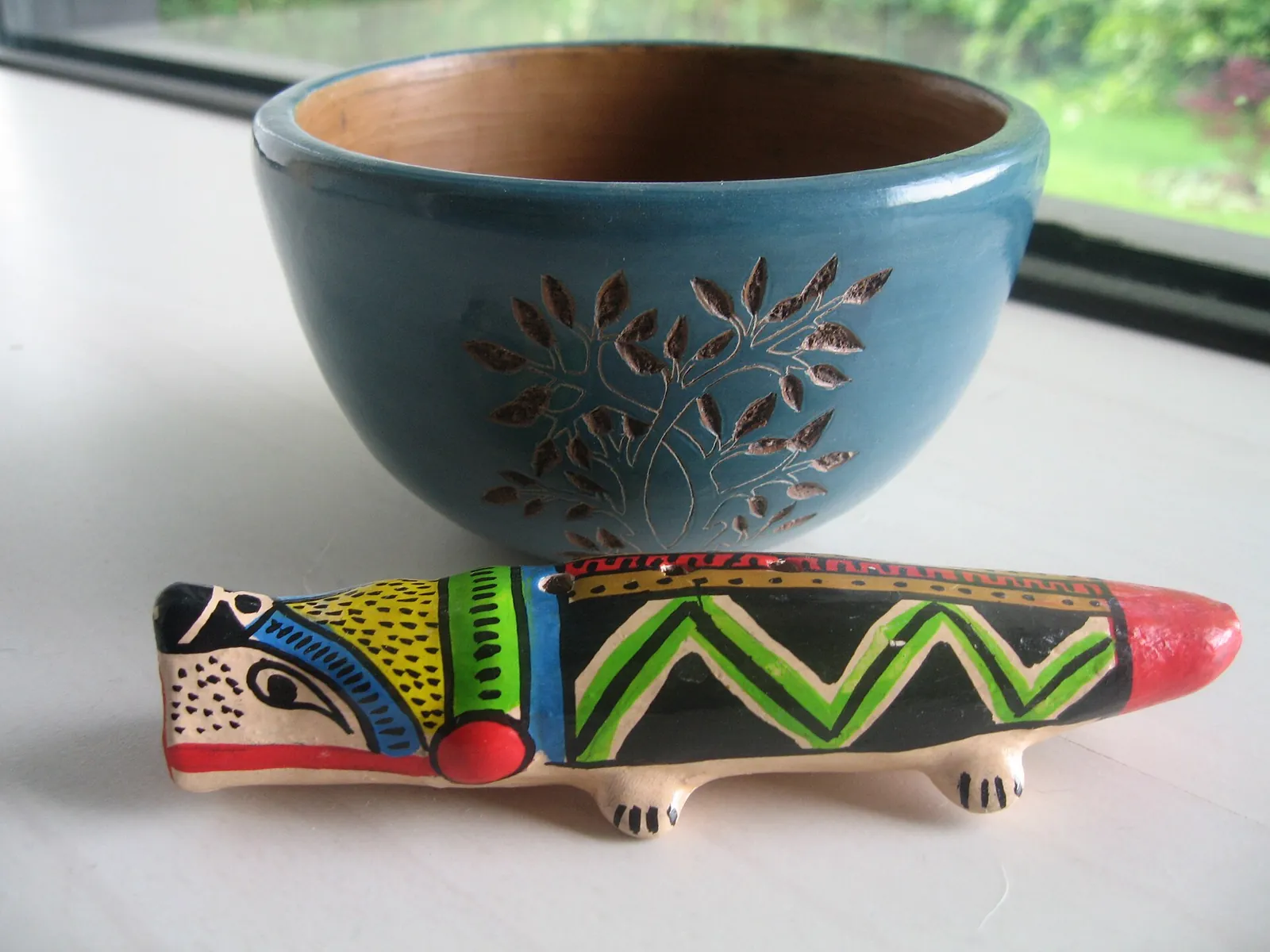
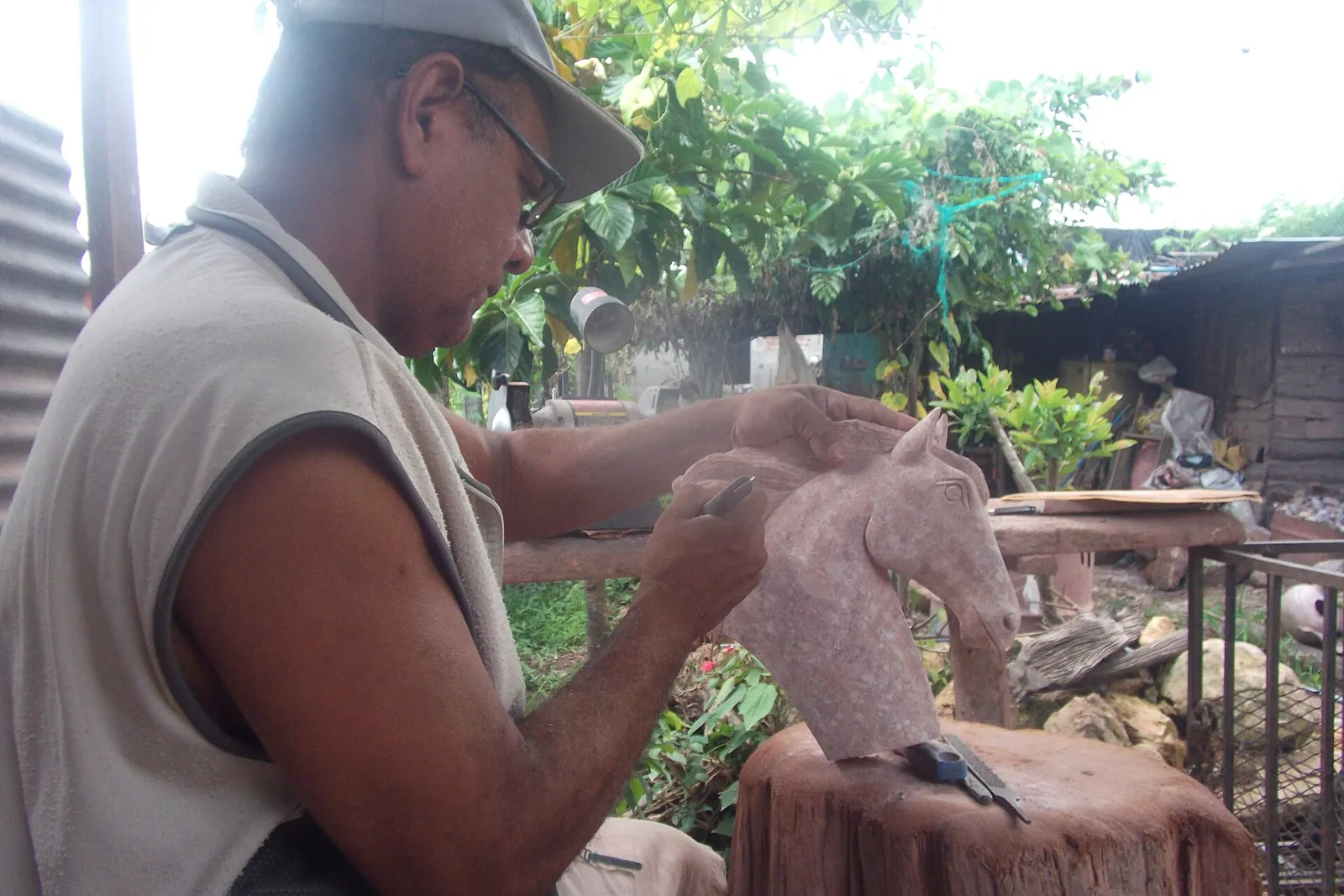
Image credits. Top image: Bowl and flute from Masaya in Nicaragua by Unknown, Public domain, via Wikimedia Commons · In-article image: MODESTO AGUILAR by Modesto aguilar, CC BY-SA 3.0, via Wikimedia Commons
Spotted something out of date or a gift that's no longer available? Tell our editors — we review every correction.




