Gift etiquette in Lesotho: host gifts, blankets and holidays
A practical guide to gifts in Lesotho: what to bring a Basotho host, why the blanket matters, respect for chiefs, and the main holidays.
We independently research every pick. If you buy through our links we may earn a small commission, at no extra cost to you. Affiliate disclosure.
Quick answer
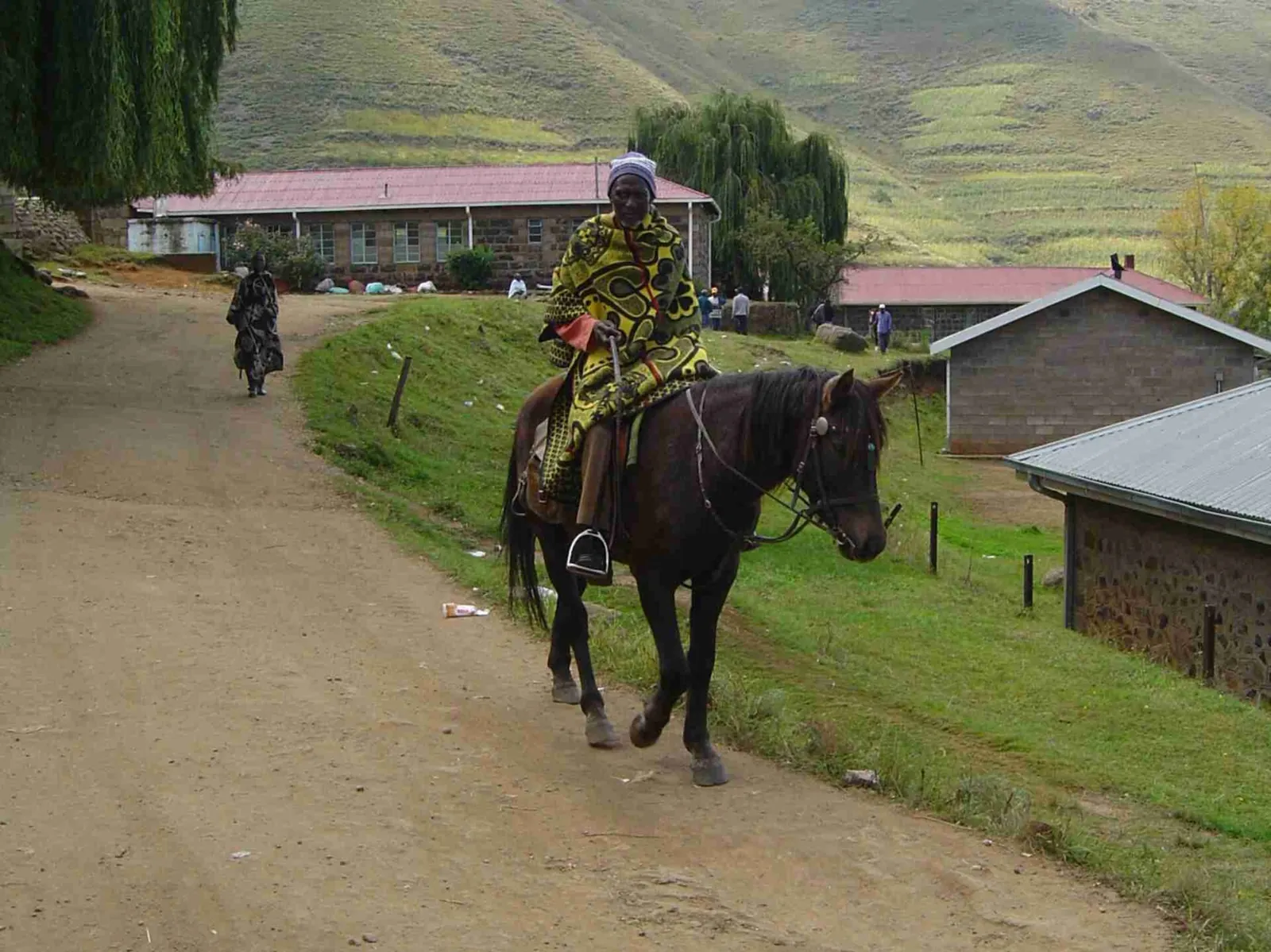
In Lesotho, warmth and ordinary courtesy go a long way. If you visit a Basotho home, a modest, shareable gift such as a food treat or something from your home country is a safe choice. The iconic Basotho blanket carries deep meaning: blankets mark life stages, and one is traditionally given by a husband to his wife at the birth of their first child. Hand things over with your right hand, supported at the elbow by your left, and receive with both hands. Christianity is the majority religion, and Christmas, Easter, Moshoeshoe Day and Independence Day are the main holidays.
- Safe host gift Food to share or a gift from home
- Typical budget $15 – $50
- Languages Sesotho and English
- Cultural icon The Basotho blanket
Lesotho is a mountain kingdom where almost everyone is Basotho and Sesotho is the main language, with English as the second official language. Around 80 percent of people are Christian, mainly Catholic, Anglican and Lesotho Evangelical, and church services often include traditional chanting and drumming. Chiefs still play an important role in village life.
What to give
Hospitality in Lesotho works best as a two-way exchange between people who have taken time to greet and get to know each other, rather than as one-sided handouts. Keep gifts modest and shareable. Our food gifts section has ideas that travel well.
A food treat to share
Why it works: Cookies, chocolates or a specialty from home suit family visits, where hospitality and food matter.
Skip it if: you know the family prefers something practical; ask a mutual friend.
Something from your home country
Why it works: A craft or photo book from where you live is personal and starts conversation.
Skip it if: it is so expensive it creates an obligation.
Small gifts for children
Why it works: Books or small toys include the whole household.
Skip it if: you have not asked the parents first; give through them rather than handing things to children directly.
A Basotho blanket (for close family)
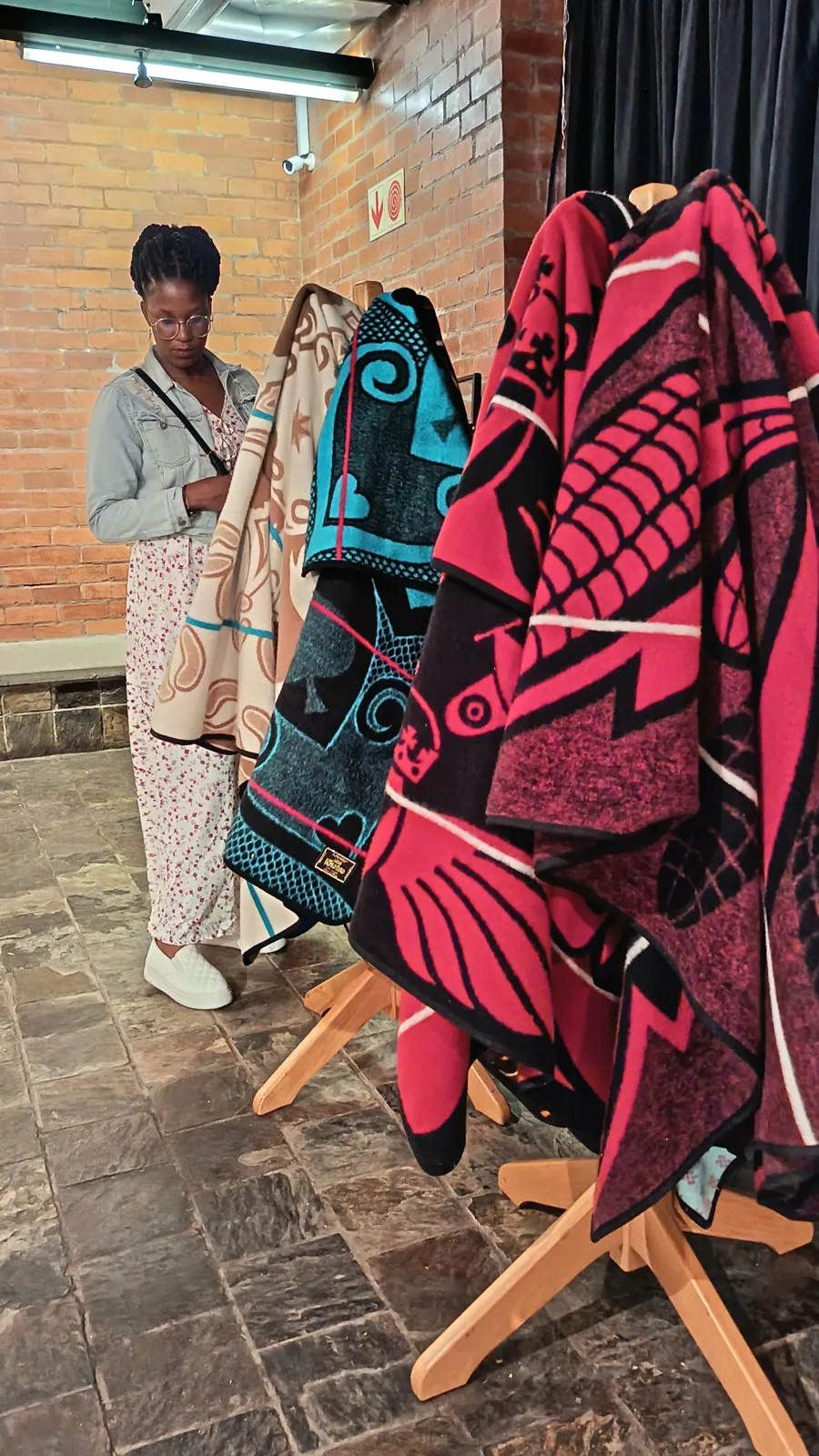
Why it works: Blankets are worn by men and women year-round and mark life events, from initiation to the birth of a first child. A good wool blanket is a meaningful gift within close relationships.
Skip it if: you are a casual guest; it is a significant, personal gift best left to family or very close friends.
What to avoid
- Ignoring the chief. If you will spend time in a rural village, let the head chief know you are there; it is the respectful thing to do.
- Treating blankets as mere souvenirs. Some patterns carry status; the Seanamarena, for example, is associated with the king and chiefs.
- Photographing official sites such as the palace, police and government buildings.
- Giving with the left hand. Handing something to a Mosotho with your left hand alone is considered rude.
- Tossing items. Never throw something to a person, even playfully; hand it over.
- Handing sweets or money to children you don't know. Local guides warn it encourages begging; ask the parents first.
- Food still in its wrapper when you offer it to someone; unwrap it first and take the packaging away with you.
- Taking photos of people without asking. Always ask first; adults may expect a small something in return.
- Lavish gifts that may embarrass your hosts.
How to give and receive
- Give with the right hand, supported by the left. Lightly holding your right elbow or forearm with your left hand shows respect. Receive with both hands, cupped together.
- Take time over greetings. Sesotho greetings typically include asking after the other person's health and family, and their form shows deference to age. Start with "Lumela" and greet elders first.
- Offer your gift on arrival with a few words about why you chose it.
- Show respect to elders and chiefs. In a rural village, find the chief or headman and ask permission before camping or staying. Village affairs are traditionally discussed at the khotla, the community meeting place.
- Dress modestly and practically, especially in rural areas and at church.
- Learn a little Sesotho. A few words show respect.
Holidays and occasions
- Moshoeshoe Day (March 11) honors the founder of the Basotho nation and is a special day for schoolchildren, who prepare choir and sports competitions.
- Independence Day (October 4) features state ceremonies, speeches and traditional dance.
- King's Birthday (July 17) and Africa Day (May 25) are public holidays.
- Christmas (December 25), Good Friday, Easter Monday and Ascension Day are public holidays; Easter dates vary each year. See our Christmas ideas.
Weddings and funerals are major family events, and a family's honor depends on the food it serves, often roast beef and chicken. Marriage traditionally involves bohali, bride-wealth from the groom's family. If you are invited, ask a close contact what guests usually bring or contribute.
Business gifting
English is widely used in business and government, which makes communication easy for English speakers. Gifts are not a formal part of business; if you give one, keep it modest, such as a book about your region or a desk item. Avoid anything that could look like an inducement, especially with officials, and follow your company's gift policy and the anti-bribery laws that apply to you, such as the U.S. Foreign Corrupt Practices Act or the UK Bribery Act. See our business gifts guide.
Frequently asked questions
What should I bring to a Basotho home?
A modest, shareable gift such as a food treat or something from your home country, plus a small gift for any children.
Is a Basotho blanket a good gift?
It is a meaningful one. Blankets mark life events in Lesotho, so a good blanket suits close family or very close friends rather than casual visits.
When is Moshoeshoe Day?
March 11. It is a public holiday honoring King Moshoeshoe I, with school choir and sports events.
Which hand should I use to give a gift in Lesotho?
Your right hand, ideally with your left hand supporting your right elbow or forearm. Receive gifts with both hands. Using the left hand alone is considered rude.
What languages are spoken in Lesotho?
Sesotho and English are both official. "Lumela" is the everyday Sesotho greeting.
Neighboring customs are covered in our South Africa and Eswatini guides, and more destinations are in countries.
Sources
- Countries and Their Cultures (everyculture.com) — Lesotho. everyculture.com
- Wikipedia — Basotho blanket. en.wikipedia.org
- World Travel Guide — Lesotho: History, Language and Culture. worldtravelguide.net
- Drakensberg Hikes (Philip and Christeen Grant, registered mountain guides) — Notes on Basotho culture for hikers and overland travellers in Lesotho. drakensberghikes.com
- Nordic Journal of African Studies (D. F. Akindele, 2007) — Lumela/Lumela: A socio-pragmatic analysis of Sesotho greetings. njas.fi
- Office Holidays — Public Holidays in Lesotho in 2026. officeholidays.com
Image credits. Top image: Basotho blanket lesotho by Martina Buchmann Schärli, CC BY-SA 3.0, via Wikimedia Commons · In-article image: Dikobo tsa Basotho by Mmampholo, CC BY-SA 4.0, via Wikimedia Commons
Spotted something out of date or a gift that's no longer available? Tell our editors — we review every correction.




