Gift Etiquette in Kyrgyzstan: Host Gifts, Bread and Holiday Customs
Kyrgyz hosts are generous and respect is everything. Here is what to bring, what to avoid, and how holidays and three-day weddings are celebrated.
We independently research every pick. If you buy through our links we may earn a small commission, at no extra cost to you. Affiliate disclosure.
Quick answer
Kyrgyz families often invite new acquaintances into their homes, and respect is the heart of good etiquette. A modest gift for the table, such as sweets, a cake or good tea, is a safe way to thank your hosts. Treat bread with care, never leaving it on the ground or upside down, and be cautious with alcohol: most Kyrgyz are Sunni Muslim, practice varies, and drinking in public is prohibited. New Year and Nooruz in March are the big festive dates.
- Safe host gift Sweets, cake, quality tea, a specialty from home
- Typical budget $10 – $40
- Treat with care Bread, which is considered sacred
- Key dates New Year (Jan 1), Nooruz (Mar 21)
Respect for guests and elders runs through Kyrgyz family life. Guests hold a place of honor, and at celebrations a guest may even be served a cut of meat that reflects their status. A small, thoughtful gift and an appetite for what you are offered go a long way.
What to give
Reliable published guidance on everyday Kyrgyz gift-giving is limited, so the suggestions below favor modest, widely acceptable choices that fit the customs that are well documented: tea at every meal, generous tables and close family ties.
Sweets, cake or pastries
Why it works: Everyday meals often consist of tea with bread and snacks, so something sweet for the table is easy to share.
Skip it if: Your hosts are fasting during Ramadan; bring it to the evening meal instead.
Quality tea
Why it works: Green tea is considered the national beverage, so good tea is always useful.
Skip it if: You can bring a more personal specialty from home.
Specialty or keepsake from your home country
Why it works: A modest, personal gift that suits friends, families and business contacts alike.
Skip it if: It is alcohol and you do not know the recipient's habits.
What to avoid
- Mistreating bread. Bread is considered sacred: never put it on the ground or leave it upside down.
- Assuming alcohol is welcome. Most Kyrgyz identify as Sunni Muslim, although many are not strictly observant; ask before giving alcohol. Drinking in public is prohibited and can be fined.
- Careless jokes about national symbols. Avoid mocking the Kyrgyz flag, national food or customs, including on social media.
- Showing off. An expensive gift can embarrass a host; modest is better.
How to give and receive
- Show respect first, especially to elders, and follow your host's lead on where to sit.
- Accept tea and food. Hospitality is generous, and accepting it is part of the visit.
- Take home what you are given. At holiday and family celebrations, a sheep is often cooked, and guests are expected to take some meat home.
- Watch for shoes at the door and follow what your hosts do.
Holidays and occasions
New Year and Orthodox Christmas
New Year's Day (January 1) is a public holiday, as is Orthodox Christmas on January 7. Most holidays in Kyrgyzstan are celebrated with parties at work and at home, with plenty of food, music and dancing, so a box of sweets or a cake for the table is a good contribution.
Nooruz
Nooruz, the spring new year, is a public holiday on March 21. If you are invited to a celebration, a food gift for the table is appropriate.
Orozo Ait and Kurman Ait
Orozo Ait (the end of Ramadan) and Kurman Ait (the Feast of Sacrifice) are public holidays set by the Islamic lunar calendar, so their dates change every year. During Ramadan, be considerate toward people who are fasting.
Weddings
A typical Kyrgyz wedding lasts three days, and gifts are exchanged between the couple's parents. In both Kyrgyz and Kazakh families, older women traditionally make an embroidered wall hanging, the tush kiyiz, to mark a child's marriage. If you are a guest, ask a friend what gift or cash contribution is usual. See our wedding gifts section for general ideas.
Business gifting
There is little published guidance specific to Kyrgyz business gifts, so follow sensible regional norms: a modest gift from your company or country after a relationship is under way, presented respectfully to the most senior person first. Keep the value low, avoid cash, take care with public officials, and follow anti-bribery laws and your company's policy. See our business gifts guide for general advice.
Frequently asked questions
What should I bring to a Kyrgyz home?
A modest food gift for the table, such as sweets, a cake or good tea. Avoid alcohol unless you know your hosts drink.
Why is bread so important in Kyrgyzstan?
Bread is considered sacred. It should never be placed on the ground or left upside down.
When is Nooruz in Kyrgyzstan?
Nooruz is a public holiday on March 21.
How long does a Kyrgyz wedding last?
A typical wedding lasts three days, and the couple's parents exchange gifts.
Related guides: Kazakhstan and all countries.
Sources
- Countries and Their Cultures — Kyrgyzstan. everyculture.com
- Wikipedia — Culture of Kyrgyzstan. en.wikipedia.org
- Wikipedia — Public holidays in Kyrgyzstan. en.wikipedia.org
- GOV.UK — Kyrgyzstan travel advice: safety and security (local laws and customs). gov.uk
- Advantour — Kyrgyz traditions. advantour.com
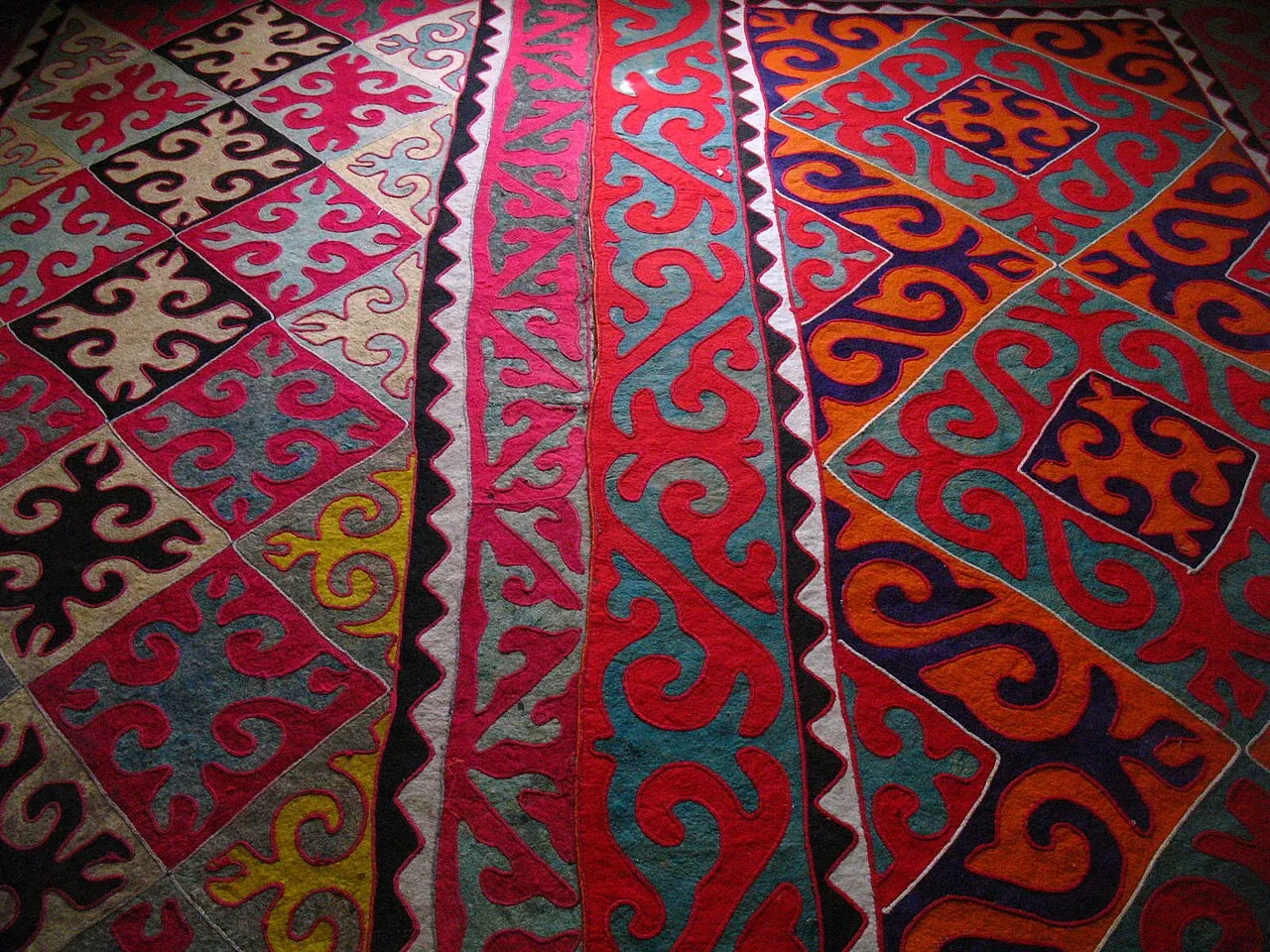
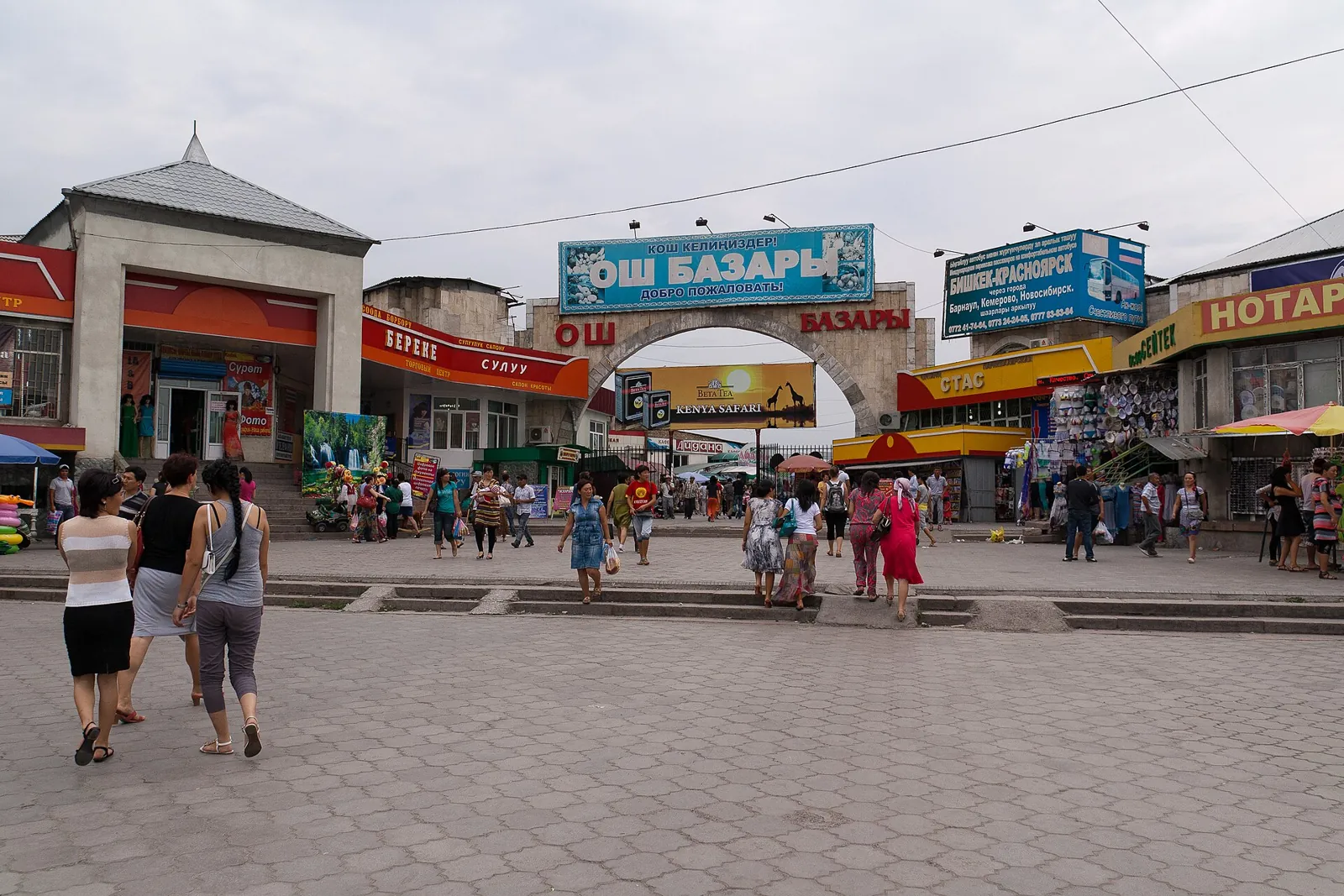
Image credits. Top image: Shyrdak on floor by Firespeaker, CC BY-SA 3.0, via Wikimedia Commons · In-article image: Osh bazaar Bishkek by Ekrem Canli, CC BY-SA 3.0, via Wikimedia Commons
Spotted something out of date or a gift that's no longer available? Tell our editors — we review every correction.




