Gift etiquette in Cape Verde: hospitality, host gifts and holidays
Cape Verdeans are known for generous hospitality. Bring a small gift when you're invited, take time over greetings, and accept the food and gifts you're offered.
We independently research every pick. If you buy through our links we may earn a small commission, at no extra cost to you. Affiliate disclosure.
Quick answer
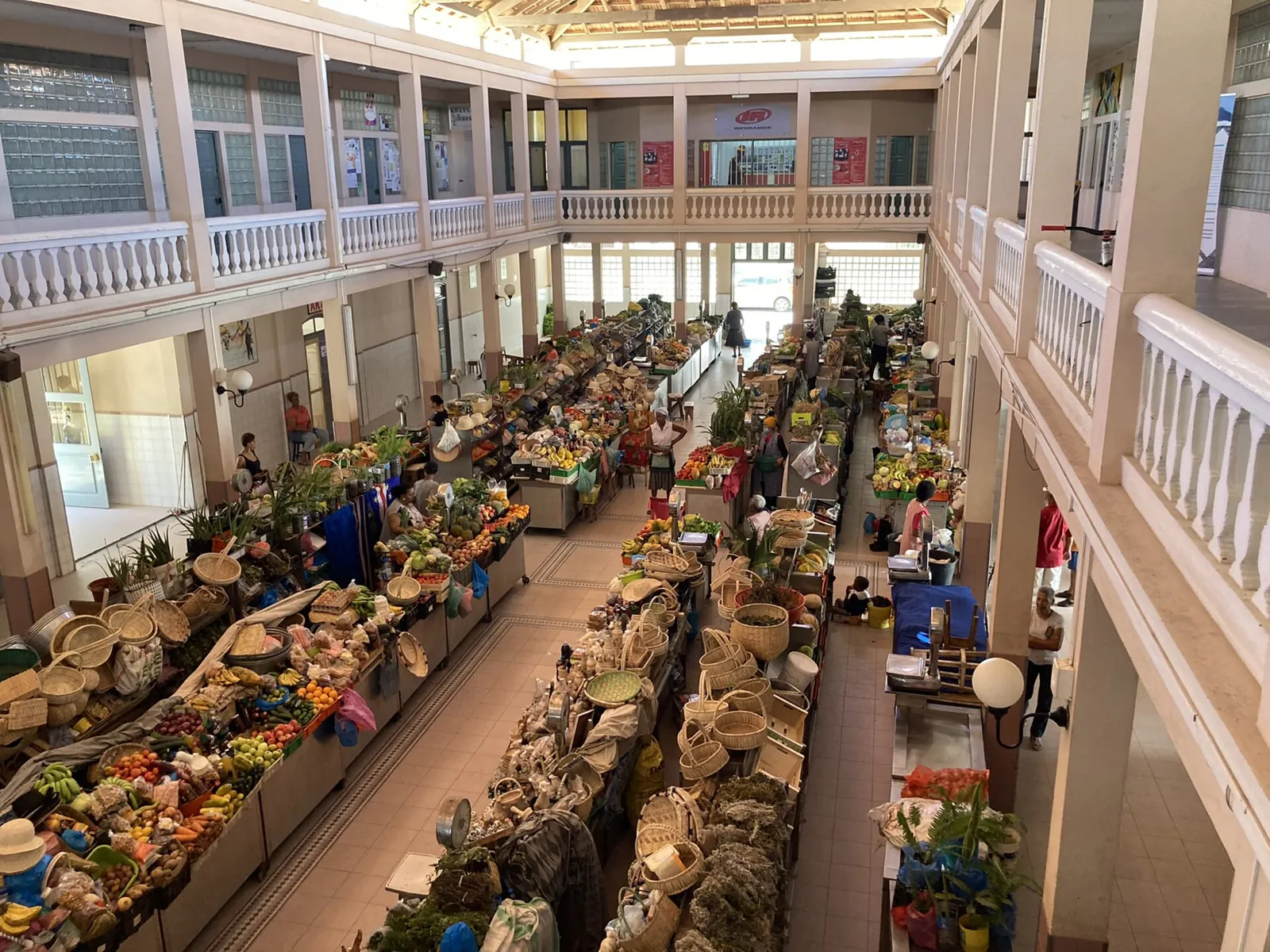
Cape Verde is famous for its warm hospitality, and the best way to respond is in kind. A small, modest gift such as sweets, flowers or something from your home country is a good way to thank a host who invites you for a meal. Accept the food and gifts you're offered, take time over greetings, and share what you eat. Gifts are most common at Christmas, saints' days and family celebrations.
- Safe host gift Sweets, flowers, a treat from home
- Typical budget $15 – $40
- Languages Portuguese (official) and Cape Verdean Creole
- Religion Predominantly Roman Catholic
Cape Verde, officially Cabo Verde, is an island nation off West Africa with a culture that blends Portuguese and West African influences. Hospitality is a point of pride: even families with little money take pride in feeding guests, and eating in front of others without sharing is considered rude. Each island has its own character, so expect some variation between, say, Santiago and São Vicente.
What to give
Visitors are often welcomed into homes and looked after like family. There is no rigid gift protocol: small souvenirs or sweets are appreciated in private homes, though not expected. Bringing something small when you're invited for a meal is a natural way to say thank you.
Sweets, pastries or chocolates
Why it works: Food is at the heart of Cape Verdean hospitality, and a treat to share after the meal fits that spirit.
Skip it if: You're unsure how many people will be there; bring enough for the whole household.
Flowers or a plant for the host
Why it works: A simple, modest gesture for a dinner invitation.
Skip it if: You're visiting a rural home where a food gift would be more practical.
Something from your home country
Why it works: A food specialty, a book of photographs or a small craft from home gives your hosts a story to go with it.
Skip it if: It's expensive; modest gifts suit the relaxed tone better.
Clothing for relatives (diaspora gifting)
Why it works: Many Cape Verdeans have family abroad, and relatives overseas have long sent gifts of clothing home. If you're visiting family, ask what is actually needed.
Skip it if: You don't know sizes or styles; ask first or choose something more general.
What to avoid
- Refusing a gift. If someone gives you something, take it; declining can come across as rejecting their hospitality.
- Eating without sharing. Eating in public without offering to share is considered rude, so share snacks and treats.
- Rushing greetings. Skipping the usual questions about health and family feels cold.
- Showy, expensive presents. They can make a host feel obliged; a thoughtful small gift is better.
- Beachwear in churches or villages. Dress modestly when visiting churches and more traditional communities.
How to give and receive
- Greet first. People shake hands (women may kiss on the cheek) and ask after each other's health and family, and they repeat greetings whenever they meet, even several times a day.
- Hand over your gift on arrival with a few warm words; there's no special ritual.
- Accept what you're offered. Food, a drink or a small present is a gesture of hospitality; accepting graciously is the polite response.
- Expect closeness. People often stand close and are physically affectionate; friends of the same sex may hold hands.
- Say thank you afterward. A message or note after a visit is appreciated.
Holidays and occasions
Christmas and New Year
As a mainly Catholic country, Cape Verde marks Christmas with church and family, and New Year's Day is a public holiday. Small gifts for children and a treat for the household are good choices if you're invited to a gathering. See our Christmas ideas.
Saints' days
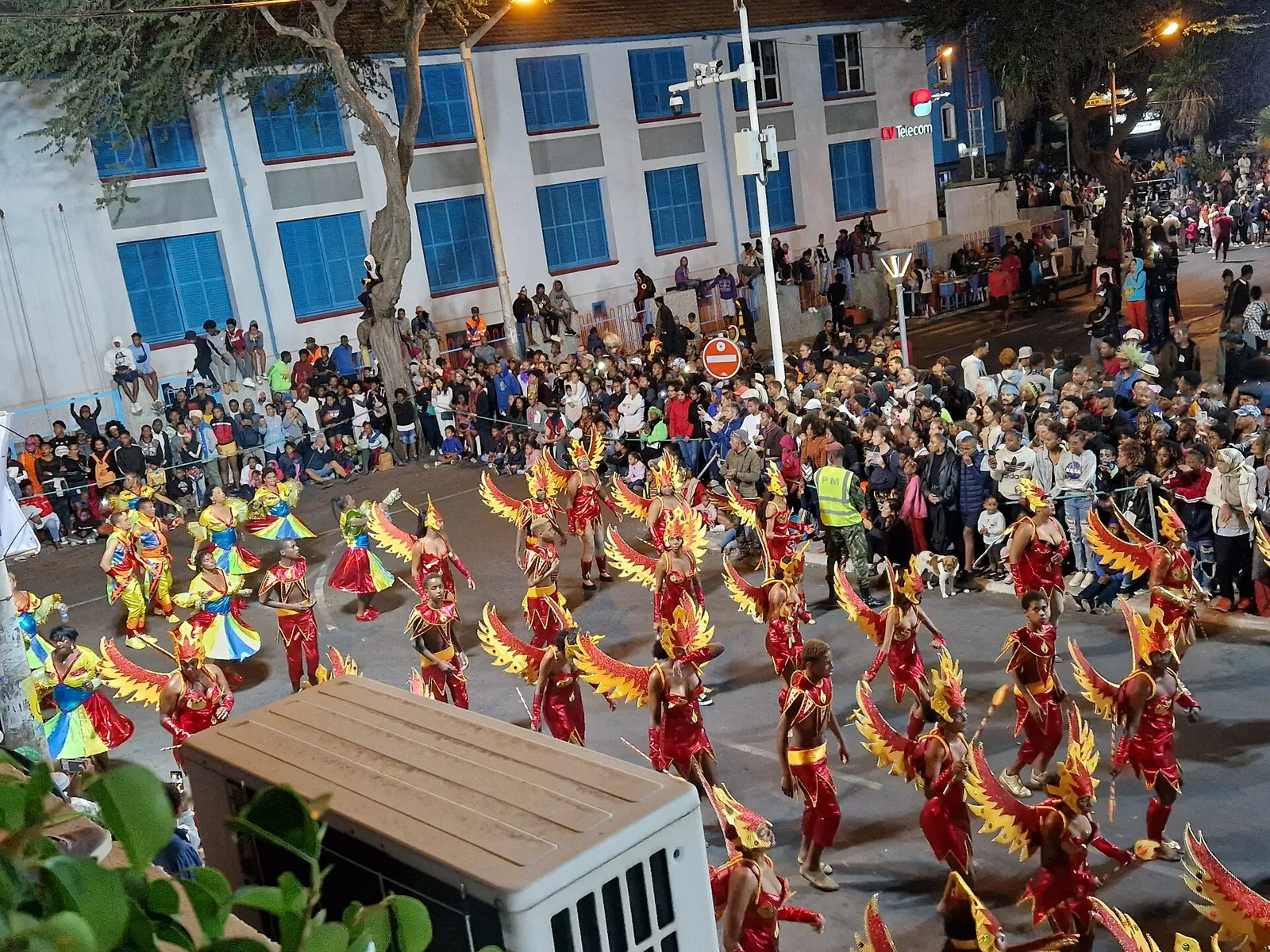
Saints' days are big community events, usually organized by a family, neighborhood or town, with music, food, drink and colorful processions. Women often spend days beforehand pounding corn for cachupa, the national stew of corn, beans and meat or fish. If you're invited, contributing food or drink is a good way to take part.
Carnival
Carnival in Mindelo, on São Vicente, is one of the liveliest in Africa. It's a festival for joining in rather than for gifts.
Family occasions
A baby's birth is traditionally marked about seven days later with a party called a sete. Formal church weddings are less common than in many countries, so ask the family what's expected if you're invited to a celebration. Independence Day is July 5.
Business gifting
Business etiquette in Cape Verde follows broadly European norms. Portuguese is the official language, Creole is widely spoken, and many people in tourism and business also speak English or French. Offices often close for a long midday break, so plan meetings for the morning or later afternoon.
Gifts are not a standard part of business meetings. If you want to mark a relationship, a modest item such as a book about your region or a food specialty from home, given after a meeting or at the end of a project, is enough. Avoid anything costly, especially for public officials, and follow your company's policy and applicable anti-bribery laws. See business gifts for more ideas.
Frequently asked questions
Should I bring a gift to a Cape Verdean home?
A small gift such as sweets, flowers or something from your country is a kind way to thank your host for a meal. Nothing expensive is needed.
Is it rude to refuse a gift in Cape Verde?
It can be. If someone gives you something, accept it graciously.
How should I greet people in Cape Verde?
A handshake with "bom dia" (good morning), "boa tarde" (good afternoon) or "boa noite" (good evening) works well, followed by a question about the person's health or family.
When are gifts exchanged in Cape Verde?
Mainly at Christmas, family celebrations and, for food and drink, saints' day festivities.
Cape Verde shares a language with Portugal; compare customs in our guide to gift etiquette in Portugal, or browse all country guides.
Sources
- Countries and Their Cultures — Culture of Cape Verde. everyculture.com
- Responsible Travel — Culture in Cape Verde. responsibletravel.com
- World Travel Guide — Cape Verde: History, Language and Culture. worldtravelguide.net
- Hello (travelwithhello.com) — Cape Verde Cultural Guide: Etiquette, Customs, and Tips. travelwithhello.com
- World Travel Guide — Cape Verde: Business and Communications. worldtravelguide.net
Image credits. Top image: Mercado Municipal Mindelo Cabo Verde by Herbert wie, CC BY-SA 4.0, via Wikimedia Commons · In-article image: קרנבל מינדלו באי סאו ויסנטה באיי כף ורדה פברואר 2023 21 by Hanay, CC BY-SA 3.0, via Wikimedia Commons
Spotted something out of date or a gift that's no longer available? Tell our editors — we review every correction.




