Gift etiquette in Antigua and Barbuda: hosts, greetings and holidays
Flowers are the classic host gift in Antigua and Barbuda, and greetings matter. Learn when gifts are expected and which island-made gifts stand out.

Quick answer
In Antigua and Barbuda, gifts are welcome but usually saved for celebrations. If you are invited to a dinner party, flowers are the classic host gift; bring wine or other drinks only if your host asks. Greet everyone with "good morning" or "good evening" before anything else, dress modestly away from the beach, and keep business gifts small.
- Safe host gift Flowers; wine only if requested
- Typical budget $15 – $40
- Key courtesy Always greet before you talk business or ask for help
- Big celebrations Christmas, Carnival (late July to early August)
Antigua and Barbuda is a twin-island nation in the Eastern Caribbean with a predominantly Christian population, the largest denomination being Anglican. Locals tend to value respect, good manners and a calm attitude more than strict formality, and that is a good guide for gifts too: a modest, well-chosen present delivered with a proper greeting will be received more warmly than something showy.
What to bring
For a dinner invitation
Flowers are the standard gift when you are invited to a dinner party. Etiquette guides advise bringing wine or another bottle only if the host has asked for it, so check before you arrive with drinks.
For a celebration
Birthdays, weddings, christenings and Christmas are when gifts are expected. A thoughtful item that suits the person, a book, something for the home or a small treat from where you live are all good options. Browse our birthday and wedding ideas for inspiration.
Island-made gifts to take home
If you are a visitor looking for gifts with a sense of place, a few local specialties stand out:
- Antigua black pineapple. The national fruit, grown on the island's southwestern coast and said to be the sweetest pineapple variety. Look for preserves or other pineapple products made locally.
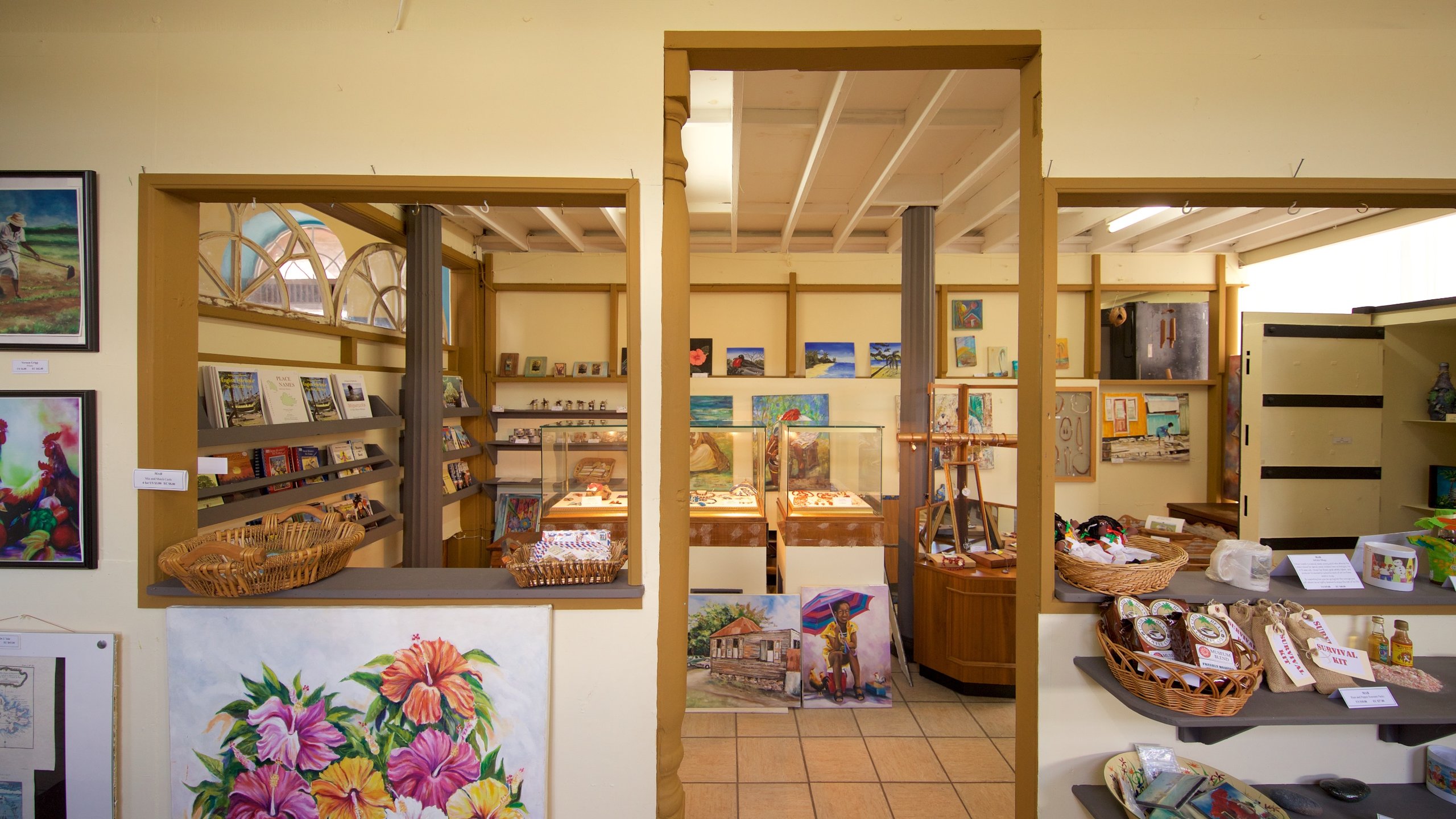
- Local pottery. The village of Sea View Farm is the center of Antigua's traditional pottery, a craft with African influences that has been in decline, so buying from local potters helps keep it alive.
- Locally made food products, such as hot sauces, spices or rum, if you know the recipient enjoys them and can bring them home within your customs allowance.
What to avoid
- Showing up with alcohol uninvited. Bring wine or other bottles only if your host has asked.
- Skipping the greeting. Launching into a request or a gift presentation without "good morning" or "good evening" can come across as rude.
- Beachwear in town. Swimwear and revealing clothes are for the beach. Cover up in shops, restaurants and towns, and dress conservatively for church.
- Camouflage clothing or gifts. Wearing camouflage or military-style clothing is an offense in Antigua and Barbuda, including for children, so don't give camo items to anyone there.
- Showing off. Loud displays of wealth or getting noticeably drunk in public are frowned upon.
How to give and receive
- Greet first. Close friends and relatives usually embrace; acquaintances shake hands.
- Use respectful forms of address. Titles and surnames are appropriate in business until you are invited to use first names.
- Say "please" and "thank you" generously. Good manners count for a lot. A thank-you note after a dinner is a nice touch; our thank-you guides can help.
- Accept hospitality graciously. If refreshments or food are offered, accept at least a little.
Visiting a home
Close friends often drop in without notice, but acquaintances and business contacts should wait for an invitation. Everyday dress is informal because of the warm climate, unless your host asks for something dressier. Ask before taking photographs of people, homes or boats.
Holidays and occasions
Christmas is a major family and church holiday, and the traditional time for gift-giving. Antigua's Carnival begins in late July and ends on the first Tuesday of August, with Carnival Monday and Tuesday as public holidays; it grew out of the earlier Old Time Christmas Festival in 1957. Good Friday and Easter Monday are quieter, centered on church services and family gatherings. Weddings, christenings and birthdays round out the main gift occasions.
Traveling around the region? Compare customs in our guides to Barbados and the Bahamas.
Business gifts
Business relationships rest on trust. Personal gestures such as asking about family and showing interest in local life help, and meetings may include refreshments. Dress conservatively and professionally, and be on time, while allowing for occasional island-pace delays. Gifts are not required; if you want to mark a successful partnership, choose something modest such as a book about your home city or a quality desk item. Avoid anything that could look like an inducement, especially for officials, and follow the anti-bribery laws and company policies that apply to you.
Frequently asked questions
What should I bring to a dinner party in Antigua?
Flowers are the classic choice. Bring wine or another drink only if your host asks you to.
When do people exchange gifts in Antigua and Barbuda?
Mainly at celebrations: Christmas, birthdays, weddings and christenings.
What is a good souvenir gift from Antigua?
Products made from the Antigua black pineapple, the national fruit, or pottery from Sea View Farm, the island's traditional pottery village.
Can I wear or give camouflage clothing in Antigua?
No. Wearing camouflage or military-style clothing is an offense there, including for children.
Sources
- World Travel Guide — Antigua and Barbuda history, language and culture. worldtravelguide.net
- Biz Latin Hub — Business etiquette in Antigua and Barbuda. bizlatinhub.com
- Hello Travel — Antigua and Barbuda cultural guide: etiquette, customs and tips. travelwithhello.com
- Wikipedia — Antigua black pineapple. en.wikipedia.org
- Wikipedia — Sea View Farm. en.wikipedia.org
- Wikipedia — Culture of Antigua and Barbuda. en.wikipedia.org
Spotted something out of date or a gift that's no longer available? Tell our editors — we review every correction.